
What Is Composite Slatted Cladding Installation?
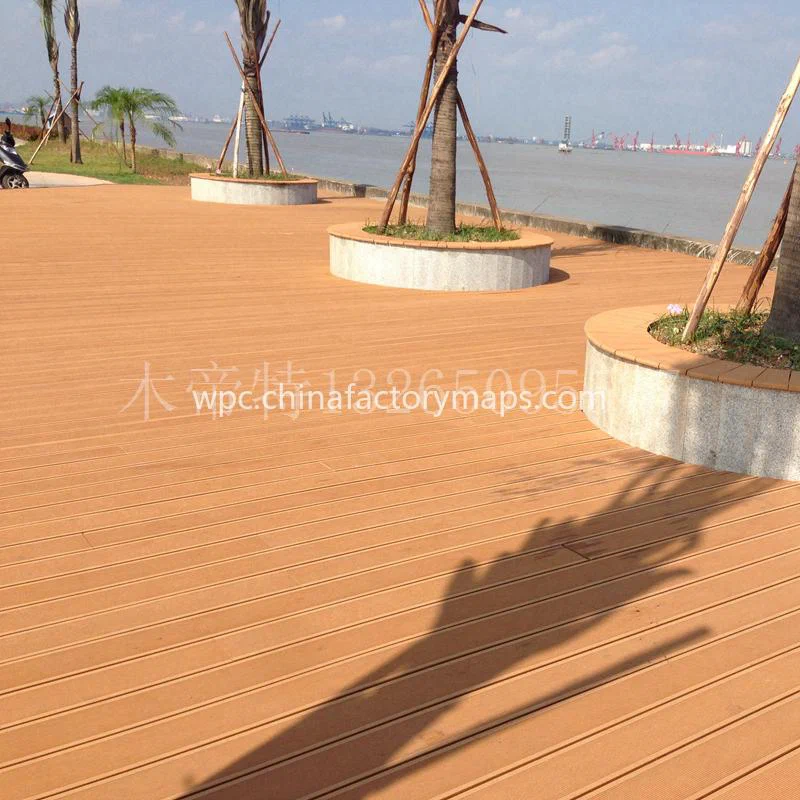
Composite slatted cladding installation is the process of fixing wood-plastic composite slats to an exterior wall system to create a finished facade layer. It involves planning the support structure, allowing for material movement, and securing the cladding so it performs correctly outdoors.
How composite slatted cladding is installed

The installation begins with checking the wall condition and preparing a suitable substructure. WPC cladding is commonly mounted on a ventilated framework rather than directly against a solid wall. This gap allows air circulation behind the panels and helps manage moisture. The support layout also needs to account for expansion and contraction because WPC changes slightly with temperature.
Installers usually set out the fixing points before attaching the slats. Correct spacing between boards is important because tight fitting can restrict natural movement and create stress on the material. Fasteners and clips should be selected according to the cladding profile and the supporting frame. The exact method varies by product design, but the basic principle remains the same: create a stable backing system and leave room for movement.
For buyers comparing suppliers, the construction details matter as much as the appearance of the finished wall. Composite slatted cladding installation requires attention to ventilation, fixing distance, edge spacing, and alignment. A factory may provide installation instructions for its own profiles, but project conditions such as climate, wall structure, and building height also influence the final method.

Material considerations for WPC cladding projects
Wood-plastic composite combines wood fibres or flour with polymers to form an exterior building material. It is used for facade applications because it resists moisture absorption better than untreated wood and is less attractive to many insects. However, it is not indestructible or completely waterproof. Long exposure to sunlight can also cause colour changes, especially where UV protection is limited.
Buyers sourcing from China often review factory locations alongside product information. A map-based directory can help identify supplier clusters in provinces such as Guangdong, Anhui, Shandong, Zhejiang, Shanghai, and Jiangsu. Distance to export ports including Shanghai Port, Ningbo-Zhoushan Port, Shenzhen Port, Qingdao Port, and Guangzhou Port can also be a practical factor when comparing sourcing options.
A suitable supplier evaluation should include profile specifications, surface finish options, installation documentation, and experience with export requirements. Samples or technical drawings can help confirm whether the cladding system matches the intended building application. The final installation quality depends on both the material and the accuracy of the supporting work.

Planning checks before installation

Before ordering WPC slatted cladding, buyers typically confirm several project details:
- wall dimensions and fixing conditions
- required ventilation behind the cladding
- local temperature range and exposure conditions
- preferred colour and surface finish
- available installation guidance from the supplier
Maintenance planning is also part of the buying decision. WPC cladding generally needs less routine care than painted timber, but it still requires cleaning and inspection. Dirt, stains, and environmental exposure can affect appearance over time. Proper installation helps the material reach its expected service performance.
FAQ
Q: What is composite slatted cladding installation? A: It is the process of attaching WPC slats to an exterior support structure to form a decorative and protective facade surface.
Q: Does WPC cladding need gaps during installation? A: Yes. Gaps are needed because WPC expands and contracts with temperature changes. A ventilated substructure also helps manage airflow and moisture.
Q: Is WPC slatted cladding maintenance-free? A: No. WPC usually requires less maintenance than some traditional materials, but cleaning and periodic checks are still needed.
Related Articles
Featured Suppliers
Verified premium suppliers on our map.
