What Is Wood-Plastic Material? Key Properties Explained
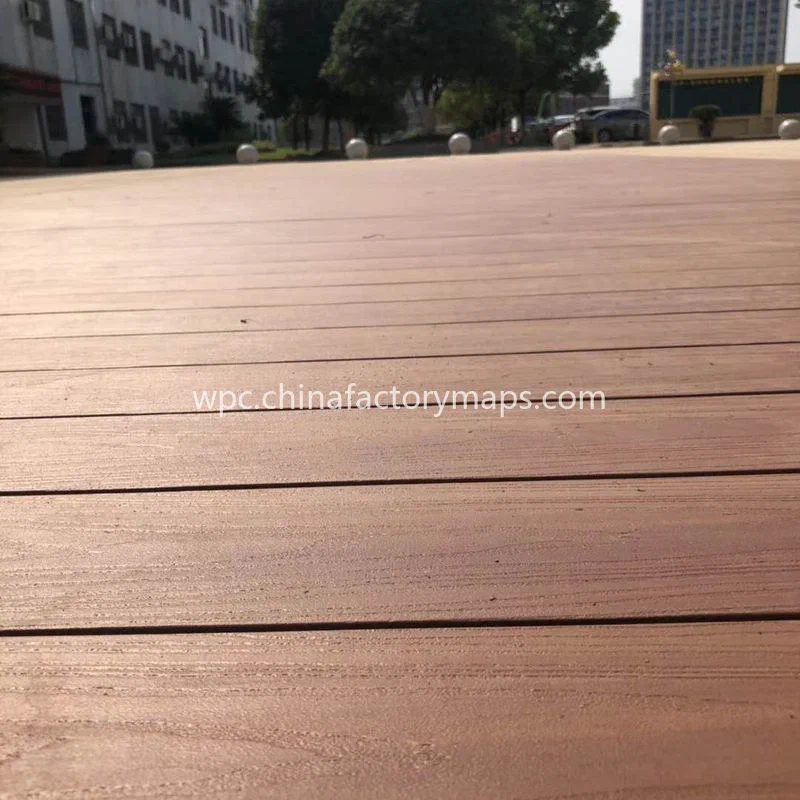
Wood-plastic material, often referred to as wood-plastic composite (WPC), is a manufactured product combining wood fibers or wood flour with thermoplastic resins. This hybrid material is primarily used in outdoor applications like decking, fencing, and cladding due to its enhanced durability and resistance to environmental factors compared to natural wood.
Key Properties of Wood-Plastic Material
One of the defining features of wood-plastic material is its resistance to moisture. Unlike traditional wood, WPC does not absorb water easily, which significantly reduces the risk of warping, rotting, or splitting. This property makes it particularly suitable for outdoor installations in humid or rainy climates, such as those near Guangzhou or Huzhou, where the subtropical weather can be challenging for untreated wood.
WPC is also highly resistant to insect damage. The thermoplastic component and the manufacturing process ensure that termites and other wood-boring insects find the material unappetizing. This makes it a popular choice for outdoor decking and fencing, especially in regions where pest control is a concern, such as Anhui and Shandong.
Another advantage is its dimensional stability. While WPC does expand and contract with temperature changes, proper installation techniques, including gapping and a ventilated substructure, can mitigate these effects. In contrast to natural wood, which tends to swell and shrink unevenly, WPC offers a more predictable and manageable response to environmental factors, making it a reliable choice for precision applications like poolside decking and balcony installations.
Aesthetic Versatility and Maintenance
A key selling point of wood-plastic material is its ability to mimic the appearance of natural wood while offering a broader range of designs, textures, and colors. Manufacturers based in regions like Zhejiang and Jiangsu often produce WPC products that cater to specific aesthetic preferences, including wood grains, contemporary finishes, and even co-extruded layers for added UV resistance. However, buyers should be aware that prolonged UV exposure can lead to some color fading over time, although this is generally less pronounced than in untreated wood.
On the maintenance front, WPC requires significantly less effort than traditional timber. It does not need regular staining, sealing, or painting, and cleaning typically involves simple washing with water and mild soap. This makes it an attractive option for property developers and homeowners looking for long-term cost savings and reduced upkeep, particularly in regions where labor costs for maintenance are high.
Environmental Considerations

WPC is often marketed as an eco-friendly alternative to natural wood, as it typically incorporates recycled materials, such as reclaimed wood fibers and recycled plastics. This reduces the demand for virgin timber and minimizes plastic waste, aligning with global sustainability goals. For buyers sourcing from factories in China, it’s worth noting that many manufacturers, especially in areas like Foshan and Shanghai, have adopted environmentally conscious production practices to meet both domestic and international regulations.
However, the environmental benefits of WPC can vary depending on the manufacturing process and the specific materials used. Potential buyers are encouraged to inquire about the sourcing of raw materials and any certifications or environmental standards the supplier adheres to. This is particularly important for businesses aiming to meet sustainability criteria in their markets.
Applications and Market Trends
The versatility of wood-plastic material has led to its widespread use in various sectors. Outdoor decking remains the most common application, with WPC being favored for its slip resistance and ability to withstand weather conditions. Other popular uses include garden fencing, facade cladding, and even outdoor furniture. In regions with strong export hubs like Shanghai Port and Ningbo-Zhoushan Port, WPC products are frequently shipped in bulk to meet the growing international demand.
The market for WPC continues to evolve, with innovations like co-extrusion technology improving the performance and aesthetics of the material. Co-extruded WPC products often feature a protective outer layer that enhances UV resistance and reduces surface wear, making them a preferred choice for high-traffic outdoor spaces. Buyers sourcing from Chinese manufacturers should look for these advancements when evaluating suppliers, as they can significantly impact product lifespan and customer satisfaction.

Installation and Cost Considerations
While wood-plastic material is generally straightforward to install, it does require adherence to specific guidelines, particularly concerning spacing and substructure ventilation. Improper installation can lead to issues like buckling or reduced durability, making it essential to work with experienced contractors or consult the supplier for detailed installation instructions.
Cost is another important factor for buyers. While WPC is often more expensive upfront than natural wood, its lower maintenance requirements and longer lifespan can result in cost savings over time. For bulk buyers, China-based manufacturers in regions like Shandong and Guangdong offer competitive pricing and the ability to meet large order volumes, making it a cost-effective option for large-scale projects.
FAQ
Q: How does wood-plastic material compare to natural wood in terms of durability?
A: Wood-plastic material is more durable than natural wood, particularly in resisting moisture, insects, and UV exposure. However, it still requires proper installation to maximize its lifespan.
Q: Can WPC be used in extreme weather conditions?
A: Yes, WPC is designed to withstand a range of weather conditions, including heat, rain, and cold. However, it may expand or contract slightly, so proper spacing is essential during installation.
Featured Suppliers
Verified premium suppliers on our map.