
What Is Wood Polymer and How Is It Used in Products?
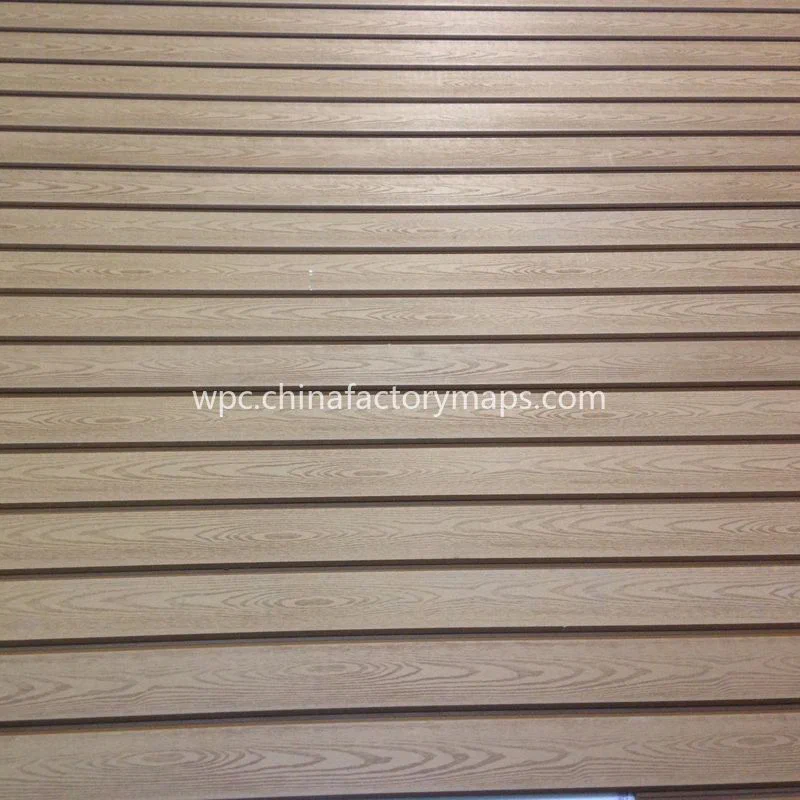
Wood polymer is a composite material made by combining wood fibres or flour with plastic polymers to create products that resemble timber while offering different performance characteristics. In commercial products, wood polymer is commonly used for outdoor decking, fencing, railing, wall panels, and other building applications where moisture resistance and reduced upkeep are important.
The material is often called wood-plastic composite (WPC). It combines the visual qualities of wood with the processing advantages of plastic. The wood content provides a natural appearance and texture, while the polymer component helps limit moisture absorption and improves resistance to insects compared with untreated wood. The final properties depend on the raw materials, production process, and formulation used by the manufacturer.

WPC products are manufactured through processes such as extrusion, where blended materials are shaped into boards, profiles, or panels. Additives may be included to improve colour stability, surface finish, or specific performance needs. Buyers sourcing these products typically review product structure, intended application, installation requirements, and supplier production capability rather than relying on the material name alone.
Common uses of wood polymer products
Outdoor decking is one of the most established applications for wood polymer materials. Deck boards are used for terraces, garden areas, balconies, and commercial outdoor spaces. Compared with traditional wood, WPC decking generally requires less routine treatment because it does not need regular staining or sealing in the same way as many natural timber products. However, it still requires proper cleaning and installation care.

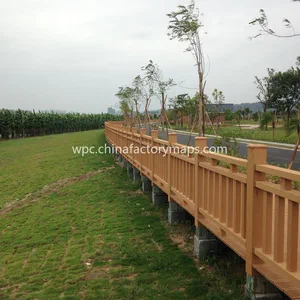
Fencing and railing systems are also common uses. WPC fence panels and railing components are selected for outdoor environments because they can resist moisture exposure better than many untreated wood alternatives. They are not indestructible, and impact damage, incorrect installation, or long-term exposure to harsh conditions can affect performance. Colour may also fade when products receive sustained ultraviolet exposure.
Buying considerations for WPC products
A key point for buyers is that wood polymer products expand and contract with temperature changes. Installation systems need appropriate gaps between boards and around fixed points to allow movement. A ventilated substructure is also important because trapped moisture and poor airflow can shorten service life. Suppliers should provide installation guidance that matches the product design and intended climate conditions.
Regional sourcing patterns can affect logistics decisions for overseas buyers. The supplier map on ChinaFactoryMaps covers WPC manufacturing clusters in Guangdong, Anhui, Shandong, Zhejiang, Shanghai, and Jiangsu. Factories in areas such as Foshan, Guangzhou, Zhuhai, Huzhou, Jiaxing, Zibo, Linyi, and other mapped locations can be compared by geographic position and access to export routes including Shanghai Port, Ningbo-Zhoushan Port, Shenzhen Port, Guangzhou Port, and Qingdao Port.
Product selection also depends on the application environment. Poolside decking may require attention to slip resistance and surface texture, while facade cladding may require different profile designs and fixing methods. Outdoor flooring, garden decking, and balcony decking each have different exposure conditions, so buyers should match the product specification with the project requirements rather than selecting only by appearance.

Manufacturing and trade factors
Chinese WPC suppliers produce a broad range of profiles for international markets, including decking boards, panels, fencing components, and custom profiles. Some factories focus on standard product lines, while others support OEM manufacturing for buyers requiring specific dimensions, colours, surface patterns, or packaging arrangements. Supplier evaluation should include production capacity, quality control procedures, and export experience.

The environmental position of wood polymer products is often linked to the use of recycled materials and reduced reliance on natural timber, but the sustainability profile varies by formulation and manufacturing practice. Buyers should review the material composition and production information provided by suppliers. WPC is a practical alternative material, but it is not suitable for every project and should be assessed against other options available for the intended use.
A map-based sourcing approach helps buyers compare factory locations before beginning supplier discussions. Distance to ports, regional manufacturing concentration, and product focus can all influence sourcing decisions. For companies purchasing composite materials in larger quantities, location data provides an additional reference alongside technical specifications and supplier communication.
FAQ
Q: What is wood polymer used for? A: Wood polymer is used for products such as decking, fencing, railing, wall panels, and other outdoor building materials. Its main uses involve applications where reduced moisture absorption and lower maintenance needs are valued.
Q: Is wood polymer completely waterproof? A: No. Wood polymer products resist moisture better than many untreated wood products, but they are not completely waterproof. Correct installation with drainage, ventilation, and suitable spacing remains necessary.
Q: Where are WPC factories located in China? A: The mapped WPC supplier clusters include Guangdong, Anhui, Shandong, Zhejiang, Shanghai, and Jiangsu. These regions connect with export ports such as Shanghai Port, Ningbo-Zhoushan Port, Shenzhen Port, and Qingdao Port.
Related Articles
Featured Suppliers
Verified premium suppliers on our map.
