What is WPC Outdoor Cladding, and How Is It Used?
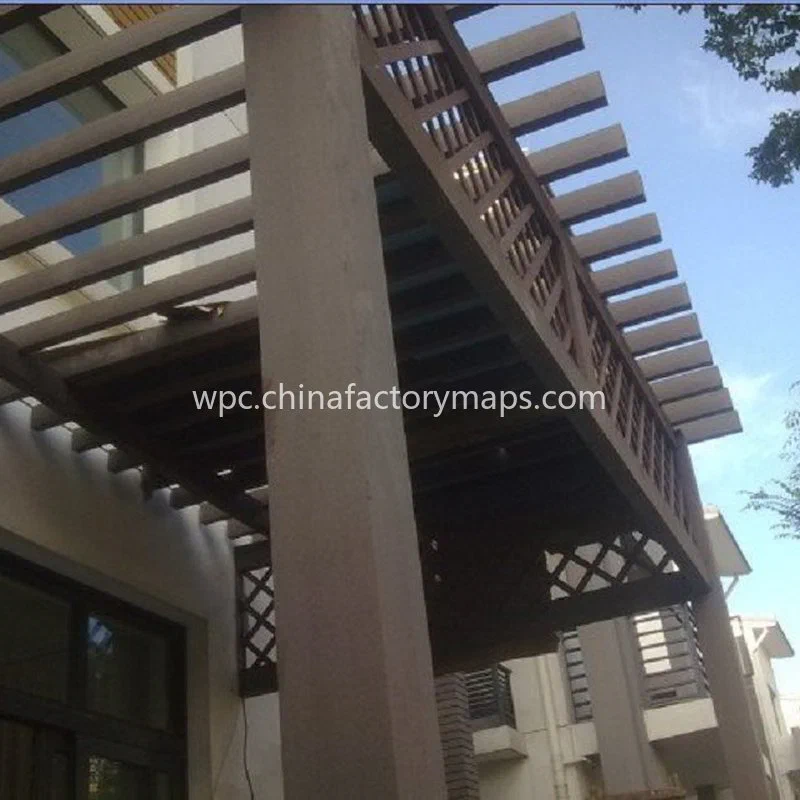
WPC outdoor cladding is a type of building material made from a blend of wood fibers and thermoplastics, designed for external applications. It provides a durable and moisture-resistant alternative to traditional wood cladding, suitable for a range of outdoor uses including facades, walls, and decorative paneling.
Material Composition and Durability

Wood-plastic composite (WPC) cladding combines the natural appearance of wood with the durability of plastic. The blend typically includes recycled wood fibers and virgin or recycled plastics, creating a product resistant to rot, insects, and moisture. However, WPC cladding is not impervious to damage; it can expand and contract with temperature changes, requiring proper installation techniques, such as gapping and a ventilated substructure, to ensure long-term performance.
Applications in Exterior Design
The primary use of WPC outdoor cladding is in architectural facades and wall coverings, where it offers a modern aesthetic with reduced maintenance compared to wood. It is also employed for accent walls, privacy screens, and soffits. Its design flexibility allows for different profiles, textures, and finishes, including wood grain effects, making it a popular choice for residential, commercial, and public projects.
Advantages Over Traditional Materials
One of the main benefits of WPC cladding is its low maintenance requirements. Unlike wood, it does not need regular sealing, staining, or painting. Additionally, it is UV-resistant, which helps reduce color fading over time. While not fully fireproof, some products are available with enhanced fire-resistant properties. Buyers should review specific certifications and test results when selecting a product for fire-critical applications.

Regional Production and Export
China hosts a significant number of WPC cladding manufacturers, with clusters in provinces such as Guangdong, Anhui, Zhejiang, and Shandong. These locations are strategically positioned near major export ports, including Shanghai Port, Ningbo-Zhoushan Port, and Guangzhou Port, facilitating global shipping. Buyers can use platforms like chinafactorymaps.com to identify suppliers based on proximity to these logistic hubs, which can help reduce transportation costs.

Design and Installation Considerations
Proper design and installation are critical for the longevity of WPC cladding. Expansion and contraction due to temperature changes require adequate spacing between panels, as well as secure fastening systems. Ventilation behind the cladding is essential to prevent moisture buildup, which could compromise structural integrity over time. Buyers should confirm that installation guidelines are provided by the manufacturer to ensure compliance with best practices.

Eco-Friendliness and Market Trends
WPC cladding is often marketed as an eco-friendly alternative to traditional wood due to its use of recycled materials. However, the sustainability of a specific product depends on factors such as the proportion of recycled content and the environmental practices of the manufacturer. As environmental regulations tighten globally, demand for WPC products with verified green certifications continues to grow.
FAQ
Q: What are the maintenance requirements for WPC outdoor cladding?
A: WPC cladding requires minimal maintenance, such as periodic cleaning with water and a mild detergent. It does not need painting or sealing.
Q: Can WPC cladding be painted or stained?
A: WPC cladding is designed to maintain its color and finish without painting or staining. However, some products may allow for surface treatments if desired.
Related Articles
Featured Suppliers
Verified premium suppliers on our map.