
What Makes a Covered Composite Deck Work for Outdoor Living?
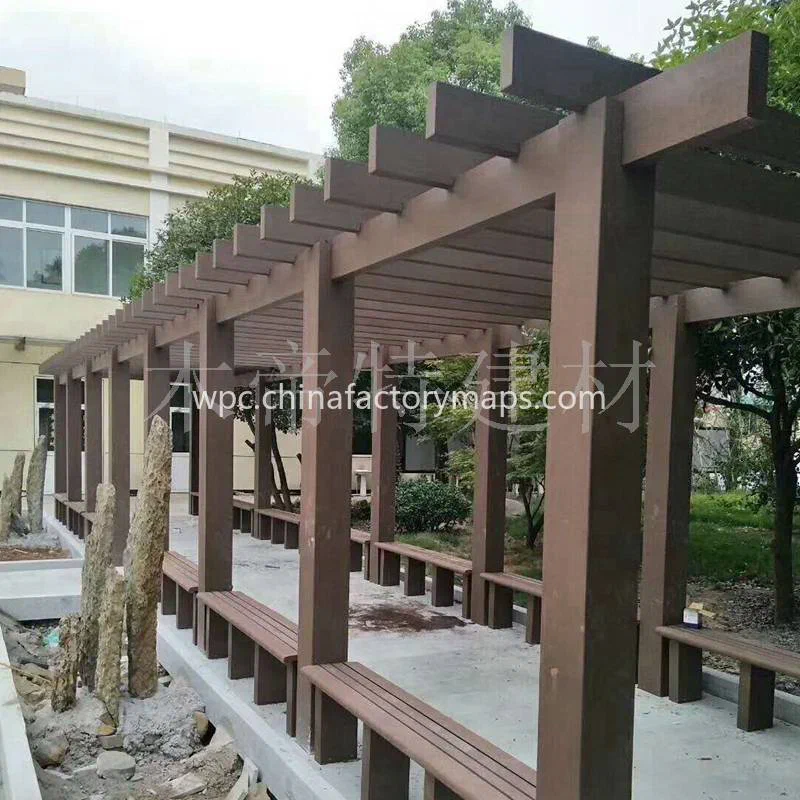
A covered composite deck works best when the roof structure, decking material and drainage plan are designed together. The cover reduces direct exposure to rain and sunlight, while wood-plastic composite boards provide a wood-like surface with less routine maintenance than many timber alternatives. The result depends on ventilation, installation clearances and the way the covered area connects to the rest of the building.
Planning the deck around the cover

The first decision is how much of the deck needs shelter. A roof over an outdoor dining area can protect furniture and make the space more usable during light rain, while an open-sided pergola offers shade without fully controlling wind-driven moisture. Buyers exploring covered composite deck ideas should consider the intended use before choosing board colour, surface texture or railing design. A dining area may benefit from a continuous roof and space for furniture circulation. A garden-facing deck may work better with partial shade that preserves daylight and views.
Roof design also affects the decking specification. A covered area receives less direct rainfall, but water can still enter from the sides, collect near posts or drain from the roof onto particular sections of the floor. The deck should have a clear drainage route, with details around the building wall and support posts preventing water from becoming trapped. A cover is not a substitute for suitable exterior waterproofing at the building connection.
Material selection and installation requirements
Wood-plastic composite (WPC) combines wood fibre or flour with a polymer matrix and additives. Formulations vary, so two boards with a similar appearance may behave differently under heat, moisture and repeated use. Buyers should compare the manufacturer’s technical data for intended applications, permitted joist spacing, fastening methods, surface performance and expected colour changes. Boards specified for exterior decking should not be assumed suitable for every roofed or enclosed environment.
Temperature movement needs particular attention. Composite boards expand and contract as temperatures change, and the required end gaps and perimeter clearances depend on the product and installation conditions. A ventilated substructure allows air to circulate beneath the deck and helps moisture escape. Blocking airflow with enclosed skirting or storing materials beneath the boards can interfere with drying. Installation instructions should govern the framing layout, fastening system and clearances rather than assumptions based on timber decking.
Covered locations also present specific surface and safety considerations. Reduced rainfall can leave dust, food residue and other contaminants on the boards, while shaded areas may remain damp after condensation or wind-driven rain. Surface texture, drainage and cleaning access therefore matter even where direct weather exposure is limited. If the deck connects to steps, a poolside area or a frequently used entrance, buyers should check the product’s stated slip-performance data under relevant conditions. No composite surface should be treated as inherently slip-proof.
Colour and appearance require similar care. A roof can reduce direct ultraviolet exposure, but sunlight still reaches the deck from open sides and reflected surfaces. WPC colour may fade under sustained UV exposure, and boards can change appearance over time. Samples viewed outdoors are more useful than relying on indoor displays alone. Buyers should also confirm whether the product uses a capped construction, where an outer layer surrounds the core, and whether the available colour range and surface finish are consistent across the required order.
Sourcing factories for a covered composite deck
For overseas buyers, factory location is one part of the sourcing assessment. ChinaFactoryMaps.com plots WPC suppliers across Guangdong, Anhui, Shandong, Zhejiang, Shanghai and Jiangsu, allowing buyers to compare mapped production locations with nearby export ports. Guangdong has the largest listed cluster on the directory, including Foshan, Guangzhou and Zhuhai. Anhui includes suppliers around Xuancheng, Suzhou and Guangde, while Shandong’s mapped locations include Zibo, Linyi and Qingdao.
Geographic proximity can help narrow a supplier shortlist, but it does not establish product suitability or total shipping cost. Buyers can compare factory locations with ports such as Shenzhen Port, Guangzhou Port, Shanghai Port, Ningbo-Zhoushan Port and Qingdao Port, then request current quotations for inland transport and export handling. Before placing a bulk order, request technical sheets, installation instructions, representative samples and confirmation of production capacity. Check packaging, colour consistency, quality-control procedures and replacement arrangements as well. A supplier that can document the board’s performance and support the intended installation is a stronger candidate than one selected on location alone.

FAQ
Q: Does a covered composite deck still need drainage and ventilation?
A: Yes. Wind-driven rain, condensation and roof runoff can introduce moisture, so the deck needs a drainage plan and a ventilated substructure.
Q: How should overseas buyers compare Chinese WPC decking factories?
A: Compare technical documentation, sample quality, production capacity and installation support, then assess factory location in relation to suitable export ports and obtain current shipping quotations.
Related Articles
Featured Suppliers
Verified premium suppliers on our map.
