
What Should Buyers Know About Composite Fence Gate Kits?
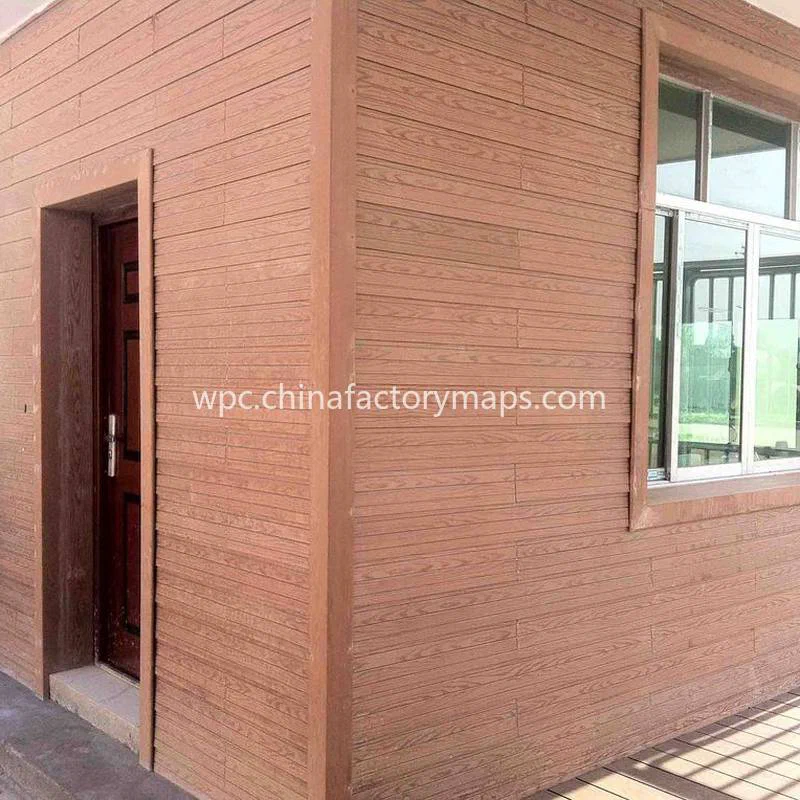
A composite fence gate kit is a coordinated set of components designed to build a gate that matches or works with a wood-plastic composite (WPC) fence system. Buyers should check more than the appearance of the panels: frame construction, hinge compatibility, post requirements and installation clearances all affect how the finished gate performs.
Unlike a simple fence panel, a gate moves repeatedly and carries its own weight through hinges and supporting posts. This makes structural design particularly important. WPC boards are commonly used for the visible infill, while the supporting frame may use aluminium, steel or another structural material. The distinction matters because composite boards are not necessarily designed to carry the mechanical loads created by repeated opening and closing. Buyers should establish which parts of the kit provide structural support and whether the frame is included or supplied separately.
Components and compatibility

A complete kit may include composite infill boards, horizontal rails, vertical frame members, posts, hinges, a latch and fixing hardware. However, the term composite fence gate kit does not guarantee that every supplier includes the same components. Some products are supplied as assembled gate leaves, while others require buyers or installers to construct the frame and fit the boards on site. A quotation should identify each included component rather than relying on a general product description.

Compatibility with the adjoining fence system is another important check. Gate height, board profile, colour and surface finish should correspond with the fence panels. The frame must also accommodate the specified board dimensions and fixing method. Where the fence uses aluminium posts or rails, buyers should confirm whether the gate has matching connections or requires separate brackets. Hinge positions, opening direction and latch placement should be agreed before production, particularly when the gate is intended to fit an existing fence installation.
Dimensions require attention beyond the advertised gate width and height. The actual opening between posts, frame dimensions and clearance at the bottom determine whether the gate can operate without obstruction. Buyers should confirm whether measurements refer to the gate leaf or the complete installed assembly. Uneven ground, sloping driveways and changes in paving level can affect the required clearance. For double gates, the meeting point between the two leaves also needs consideration.
Materials, installation and supplier checks

WPC is suitable for outdoor fence infill because it resists moisture and insect damage better than untreated timber. It is not indestructible, however. Composite materials expand and contract with temperature, so the frame and fixing arrangement must allow for dimensional movement. Installation also requires appropriate clearances and a ventilated supporting structure. A gate that traps moisture or restricts movement may develop alignment problems over time. Sustained exposure to ultraviolet light can cause colour fading, with the degree of change depending on the material formulation, surface treatment and exposure conditions.

The supporting hardware deserves particular scrutiny. Hinges must be appropriate for the gate’s weight and expected frequency of use. Posts and their foundations must resist the forces generated when the gate moves or catches wind. Buyers should ask whether the frame is reinforced, how the hinges attach and whether the fixing hardware is suitable for the intended outdoor environment. For wider or heavier gates, the supplier should provide guidance on structural support rather than assuming that standard fence posts will be sufficient. Installation instructions should specify fixing positions, clearances and any restrictions on gate dimensions.
For overseas sourcing, supplier comparisons should cover product specifications and production arrangements as well as price. Chinese WPC manufacturing suppliers are geographically distributed across Guangdong, Anhui, Shandong, Zhejiang, Shanghai and Jiangsu. The directory maps these supplier locations against export ports, including Shenzhen Port, Guangzhou Port, Shanghai Port, Ningbo-Zhoushan Port and Qingdao Port. Buyers can use this geographic information to shortlist manufacturers and assess potential shipping routes. Before placing an order, request dimensioned drawings, material specifications, hardware details, packaging information and confirmation of whether the gate is supplied assembled or as a component kit. Samples can help assess colour and surface finish, while a complete specification review helps establish whether the proposed gate is compatible with the intended fence system.
FAQ
Q: Does a composite fence gate kit include the posts and hinges?
A: Not necessarily. Kit contents vary by supplier, so buyers should confirm whether posts, hinges, latches, brackets and fixing hardware are included or require separate purchase.
Q: Can a WPC gate be installed with a standard composite fence panel system?
A: It can be compatible if the dimensions, frame connections and fixing arrangements match. Buyers should verify structural support, hinge requirements and installation clearances before ordering.
Featured Suppliers
Verified premium suppliers on our map.
