
What Should You Know About Composite Decking for Boat Docks?
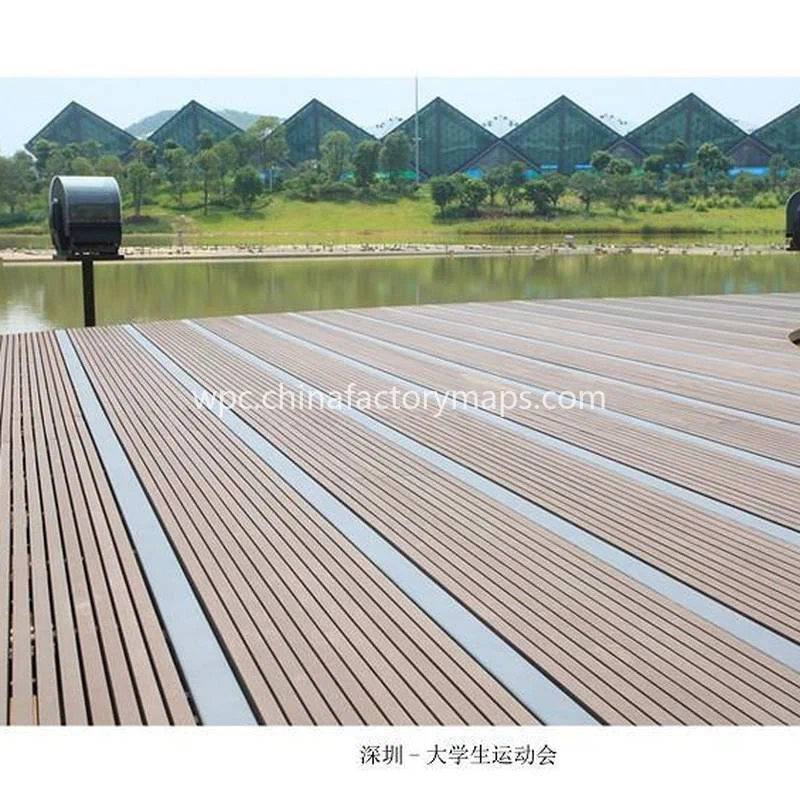
Composite decking for boat docks offers several advantages over traditional wood options. It combines plastic and wood fibers to create a durable surface that withstands the rigors of a marine environment, including moisture and UV exposure. When selecting composite decking for boat docks, it is essential to consider factors such as material composition, slip resistance, and maintenance requirements.
The composition of composite decking typically includes recycled wood fibers and plastic, which enhances durability while reducing environmental impact. This blend resists splintering, rotting, and insect damage better than untreated wood, making it a practical choice for boat docks. Buyers should evaluate the specific materials used by manufacturers, as some composites provide enhanced features like co-extrusion, which adds an outer layer for additional protection against fading and staining.

Slip resistance is a critical consideration for boat dock surfaces. Wet environments can lead to hazardous conditions, so selecting a composite decking product with anti-slip properties is essential for safety. Many manufacturers offer textured surfaces to improve traction, reducing the risk of slips and falls when boarding or disembarking from boats.
Another important factor is the expansion and contraction of composite materials. Due to temperature fluctuations, composite decking can expand or contract, which necessitates proper installation practices. Buyers should ensure that their installation incorporates adequate gapping and a ventilated substructure to accommodate these changes and prevent warping or buckling.

Maintenance is often cited as a significant advantage of composite decking. While no decking material is entirely maintenance-free, composites require less upkeep than traditional wood. Regular cleaning with soap and water is generally sufficient to keep the surface looking good. However, it is important to recognize that while composite decking resists moisture, it is not entirely waterproof, and standing water should be avoided to prolong its lifespan.
Buyers should also consider color retention when selecting composite decking for boat docks. Although many products are designed to resist fading, prolonged exposure to sunlight can diminish colors over time. It is beneficial to inquire about UV resistance and color warranties from manufacturers to ensure long-term aesthetics.

Lastly, the availability of composite decking suppliers varies by region. In China, major production hubs include Guangdong, Shandong, and Zhejiang, where numerous factories specialize in wood-plastic composites. Buyers can leverage platforms like chinafactorymaps.com to locate suppliers by geographic proximity to export ports, such as Shanghai Port and Shenzhen Port, facilitating smoother logistics for international shipping.

FAQ
Q: What are the main benefits of using composite decking for boat docks?
A: Composite decking offers durability, resistance to moisture and insects, and lower maintenance compared to traditional wood.
Q: How should composite decking be installed to ensure longevity?
A: Proper installation requires adequate gapping and a ventilated substructure to accommodate expansion and contraction due to temperature changes.
Featured Suppliers
Verified premium suppliers on our map.
