
What to Check When Sourcing Plastic Flooring that Mimics Wood

Sourcing plastic flooring that mimics wood involves numerous considerations to ensure quality, durability, and compliance with expectations. Buyers should thoroughly evaluate potential suppliers, particularly when sourcing from China. Factors such as manufacturing capabilities, material specifications, and supply chain reliability can significantly impact the final product’s performance and longevity.
Evaluating Suppliers

When assessing suppliers, it is essential to distinguish between genuine manufacturers and trading companies. Manufacturers typically have their own production facilities and can provide detailed information about their processes, materials, and quality control measures. In contrast, trading companies often lack this knowledge and may be sourcing products from multiple manufacturers. Requesting factory visits or virtual tours can provide valuable insights into a supplier’s operations and help verify their claims.
Buyers should also check for relevant certifications. While specific certifications may vary, look for adherence to international quality standards that ensure product safety and reliability. For instance, certificates like ISO 9001 can indicate a commitment to quality management processes. Asking for test reports on the plastic flooring can help confirm its durability, moisture resistance, and other essential properties.
Understanding Material Specifications

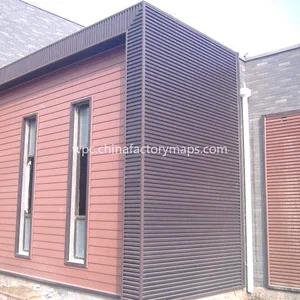
Plastic flooring that looks like wood typically uses a blend of wood fibers and plastic polymers, often referred to as wood-plastic composite (WPC). It’s crucial to understand the composition of the material, as this can affect performance characteristics like moisture resistance and UV stability. Ask suppliers for detailed specifications of their WPC formulations, including the ratio of wood to plastic, any additives used, and how the material is processed.
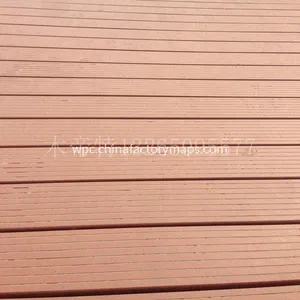
Different suppliers may offer varying qualities of WPC, so it is prudent to request samples. Evaluating samples will provide insights into color consistency, texture, and overall finish. Keep in mind that WPC can expand and contract with temperature changes, so understanding how a supplier addresses this issue in their products is vital for long-term performance.
Common Pitfalls in Sourcing
One prevalent issue when sourcing plastic flooring is miscommunication regarding product specifications. Differences in terminology between buyers and suppliers can lead to misunderstandings about materials, finishes, or dimensions. To mitigate this risk, establish clear communication channels and provide detailed specifications in writing. This practice can help ensure that both parties have aligned expectations.
Another common pitfall is overlooking logistics. Buyers should consider the proximity of suppliers to major export ports, such as Shanghai Port or Shenzhen Port. This factor can significantly affect shipping times and costs. Ensure that the supplier can provide reliable shipping arrangements and that they understand export regulations to avoid delays.

Quality Control Measures
Quality control is a critical aspect of sourcing plastic flooring. Buyers should inquire about the quality control processes implemented by potential suppliers. This includes in-process inspections, final product testing, and adherence to quality management standards. Understanding how often and in what manner products are tested can help evaluate a supplier’s commitment to quality.
Additionally, consider requesting third-party inspections. Engaging independent quality inspection services can provide an unbiased assessment of the products before they are shipped. This step can prevent potential issues from arising after the flooring has been installed.
Pricing and Payment Terms
Pricing can vary widely among suppliers, influenced by factors such as material quality, production methods, and order volumes. It is essential to compare quotes from multiple suppliers, but buyers should not solely focus on price. Lower prices may be indicative of compromised quality or subpar materials. It’s advisable to balance cost with quality and ensure that the supplier’s offerings meet the necessary standards.
Payment terms can also greatly impact the sourcing process. Discussing terms upfront, such as payment schedules and deposit requirements, can prevent financial misunderstandings. Some suppliers may offer flexible payment options, but it’s essential to verify their reliability and reputation before committing.

Final Considerations
Successful sourcing of plastic flooring that mimics wood relies on thorough research and due diligence. Buyers must establish clear communication, verify supplier legitimacy, and understand material specifications. By focusing on quality, logistics, and pricing, buyers can mitigate risks and ensure a satisfactory purchasing experience.
FAQ
Q: What should I ask suppliers about their manufacturing capabilities?
A: Inquire about their production processes, equipment used, and any relevant certifications they hold to ensure they meet industry standards.
Q: How can I ensure the plastic flooring will hold up over time?
A: Request samples and test reports that demonstrate the flooring’s resistance to moisture, UV exposure, and wear to assess its long-term durability.
Related Articles


Featured Suppliers
Verified premium suppliers on our map.
