What to Compare When Buying Clips for Composite Decking Boards
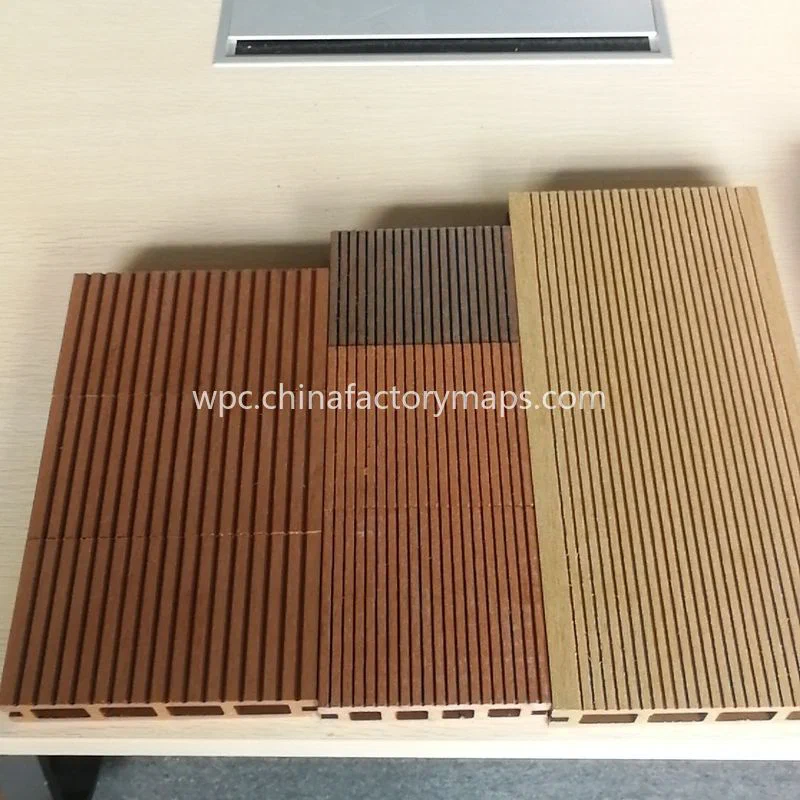
When sourcing clips for composite decking boards, buyers should focus on several critical aspects to ensure compatibility, durability, and cost-effectiveness. Differences in clip designs, materials, and supplier capabilities can significantly affect the performance and lifespan of a composite decking project.
Clips are typically made from stainless steel, aluminum, or reinforced plastics, with each material offering distinct advantages. Stainless steel clips resist corrosion and are often preferred for coastal installations, while aluminum clips balance durability with lightweight properties. Reinforced plastic clips may be chosen for their lower cost, but buyers should inspect the quality of the material to ensure it can withstand prolonged exposure to UV and temperature changes. Asking suppliers for details on the grade and testing of their clip materials can help identify manufacturers with a focus on quality.
Another consideration is whether the supplier offers pre-assembled clips with screws or requires them to be purchased separately. Pre-assembled options save installation time but may limit customization in terms of screw type or size. It is beneficial to confirm the compatibility of clips with the specific profile and thickness of the composite decking boards being sourced. Some suppliers design their clips to work exclusively with their decks, while others may offer universal options.
Buyers should also clarify whether the supplier is a direct manufacturer or a trading company. Direct manufacturers can provide better control over production timelines and quality. One way to verify manufacturing capabilities is to inquire about the factory’s location and proximity to export ports. Suppliers based near major ports such as Shanghai Port or Guangzhou Port often have streamlined logistics for global shipping. Factory visits or video inspections can further validate operational capacity and ensure that the supplier has the necessary equipment and expertise.

Common issues with decking board clips include inadequate corrosion resistance, poor fit with the decking profile, and insufficient strength to hold boards securely in place. Reviewing product samples, technical specifications, and testing certifications, where available, can mitigate these risks. It is also prudent to request references or case studies from previous clients. These can provide insights into real-world performance and supplier reliability.

Lastly, buyers should confirm lead times, packaging options, and volume capabilities. Suppliers in Guangdong, Shanghai, or Zhejiang often cater to large bulk orders due to their proximity to well-connected export ports. However, it is important to ensure that production schedules align with project timelines and that clips are packaged to prevent damage during transit. Clear communication about these aspects early in the procurement process reduces the likelihood of delays or unexpected costs.

FAQ
Q: What material is best for decking board clips in coastal areas? A: Stainless steel clips are recommended for coastal installations due to their corrosion resistance.
Q: How can I verify if a supplier is a direct manufacturer? A: Ask about factory location, request a video inspection, and inquire about production equipment to differentiate manufacturers from trading companies.
Q: Do all clips fit every type of composite decking board? A: No, some clips are designed for specific profiles, so compatibility with the decking boards being used should be confirmed with the supplier.
Featured Suppliers
Verified premium suppliers on our map.