
What to Compare When Buying Wood-Polymer Composite Flooring
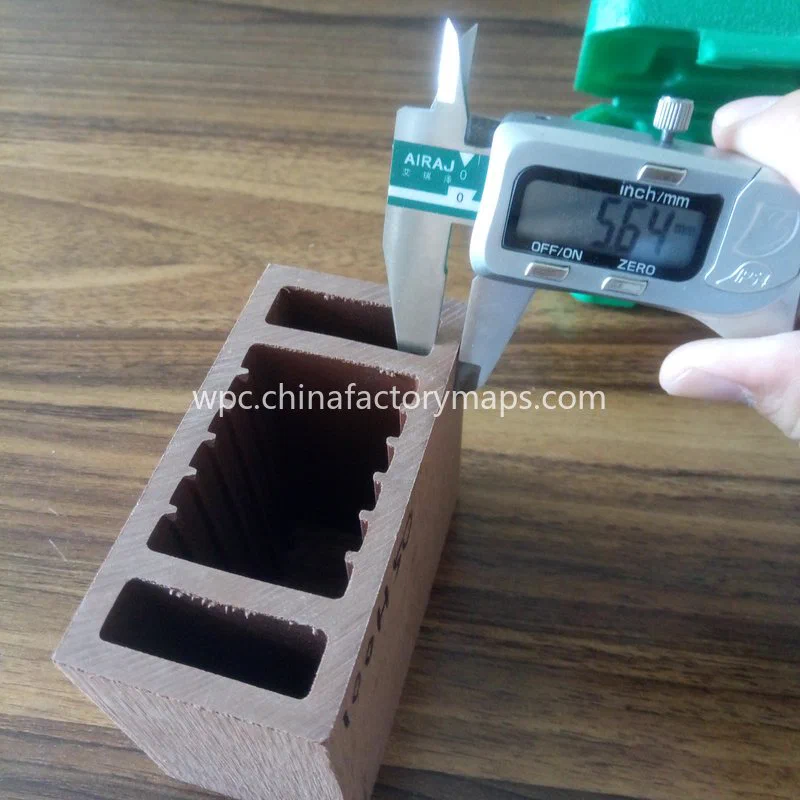
Buying wood polymer composite flooring from China requires more than comparing board dimensions and quoted prices. Overseas buyers need to assess material composition, manufacturing consistency, installation requirements and export logistics before selecting a supplier. A map-based factory directory helps narrow the search geographically, but each shortlisted business still needs to be checked against the intended project.
Compare specifications before comparing quotes
Start with the intended application. Outdoor decking exposed to direct sunlight, poolside installations and covered balconies place different demands on a composite board. Confirm the board’s dimensions, thickness, profile, surface finish and recommended use. Ask whether the product is solid or hollow, since internal structure affects weight, support requirements and handling. A lower-weight board is not automatically inferior, but its load performance and permitted joist spacing must suit the installation.
Material composition deserves equal attention. WPC products commonly combine wood flour or other wood fibres with a thermoplastic polymer and additives. The proportions, polymer type and manufacturing process influence stiffness, surface quality, moisture response and resistance to wear. Ask suppliers to identify the principal raw materials and explain whether the quoted specification applies to the actual production grade. Two boards with similar appearances can behave differently in service. Request technical data and representative samples rather than relying on catalogue photographs.
Check performance claims against the installation
Outdoor composite flooring expands and contracts as temperatures change. Buyers should obtain the manufacturer’s recommended expansion gaps, fixing method, joist spacing and maximum unsupported span. The substructure needs adequate ventilation and drainage; trapped moisture and restricted airflow can contribute to installation problems even when the boards themselves resist moisture. Confirm whether the proposed system uses clips, screws or another fixing method, and whether compatible accessories are available from the same supplier.
Surface performance also needs specific verification. Embossed grain, brushed finishes and capped surfaces can differ in traction, cleaning requirements and appearance after exposure. Ask how slip resistance was assessed and whether results apply to wet conditions relevant to the project. Moisture and insect resistance are useful properties, not guarantees against every form of damage. Sustained ultraviolet exposure can fade colour, while scratches, staining and localised heat may affect the surface. Request information on expected colour change and care requirements, especially for exposed commercial installations. Where claims matter contractually, specify the test method and acceptance criteria before ordering.

Verify the factory, production controls and export route
China’s mapped supplier base offers several regional starting points. Guangdong has the largest listed cluster, including Foshan, Guangzhou and Zhuhai. Anhui includes Xuancheng, Suzhou and Guangde, while Shandong’s mapped locations include Zibo, Linyi and Qingdao. Zhejiang covers Huzhou, Jiaxing and Hangzhou; the directory also maps suppliers in Shanghai, Nanjing and other listed locations. These clusters help buyers organise outreach, but location alone does not establish product quality or manufacturing capability.
Distinguishing a manufacturer from a trading company takes direct evidence. Ask for the registered business identity, production address, factory-floor photographs or a live video walkthrough, and a description of the equipment used for extrusion, surface finishing and quality inspection. Request an explanation of which processes occur in-house and which are outsourced. A trading company may still be a suitable export partner, but buyers should know who controls production, approves material substitutions and handles defects. Check whether sample production, routine orders and repeat batches follow the same documented specifications. A factory visit or independent inspection can provide additional confirmation when order value and risk justify the cost.

Production consistency matters after the first sample is approved. Ask how incoming raw materials, board dimensions, colour and surface defects are checked during manufacturing. Find out whether production batches can be traced and whether retained samples are available for comparison. Before placing a bulk order, agree on an approved reference sample, written specifications, packaging requirements and procedures for handling nonconforming goods. Clarify how colour variation between batches is managed, particularly when the project requires phased deliveries. If the supplier proposes a different formulation or production site, require approval before the change is made. These controls reduce disputes that a visually convincing pre-production sample cannot prevent.
Logistics should be assessed alongside the factory quotation. Chinafactorymaps.com plots suppliers against nearby export ports, allowing buyers to compare geographic proximity before requesting freight estimates. Shanghai Port, Ningbo-Zhoushan Port, Shenzhen Port, Qingdao Port and Guangzhou Port are among the covered options. The nearest port on a map does not necessarily provide the lowest total shipping cost: inland transport, container availability, sailing schedules and destination requirements also matter. Ask for board lengths, bundle dimensions, gross weight, packing method and estimated container loading details. Confirm how the boards will be protected against abrasion, moisture during transit and damage at handling points. Compare quotations on the same product specification and delivery basis, including packaging, inland transport and export documentation where applicable.
Before committing, assess the commercial terms as carefully as the technical file. Confirm the available production capacity, realistic lead time, payment milestones, sample charges if applicable, and the process for reporting damage or quality deviations. Establish which party pays for inspection and how a disputed batch will be evaluated. Ask for references or evidence of comparable export orders where available, without treating unverified testimonials as proof. The directory is a sourcing and geographic comparison tool, not a certification of listed suppliers. Use it to build a shortlist, then verify each candidate independently and document the agreed requirements before production begins.
FAQ
Q: Is the closest mapped WPC factory always the best choice?
A: No. Geographic proximity can simplify inland transport, but product consistency, production capability, export arrangements and total delivered cost are equally important. Compare the factory’s route to a suitable export port rather than distance alone.
Q: What should be approved before a bulk order of composite flooring?
A: Approve a representative sample, written technical specifications, installation requirements, colour tolerances, packaging details and inspection criteria. Confirm who is responsible for defects and obtain written approval for any material or production changes.
DESCRIPTION:: Compare Chinese WPC flooring suppliers by material specifications, installation performance, factory verification and export logistics.
Featured Suppliers
Verified premium suppliers on our map.
