
What to Know About Composite Decking for Balconies
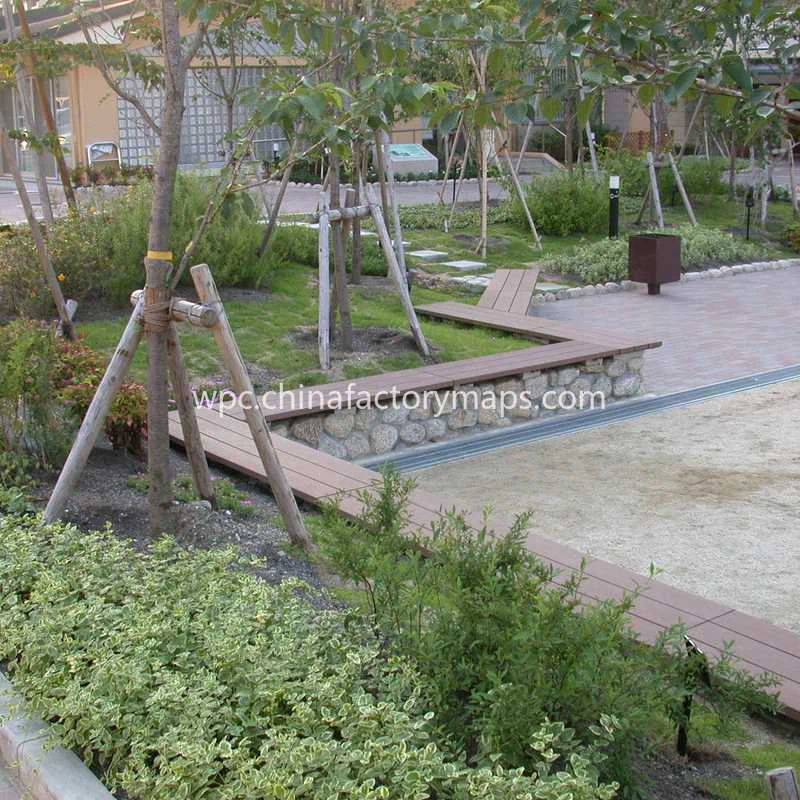
Composite decking for balconies is a popular choice due to its durability and low maintenance requirements. Made from a blend of wood fibers and plastic, this material can withstand the elements while providing an aesthetically pleasing surface for outdoor spaces.
Benefits of Composite Decking

One significant advantage of composite decking is its resistance to moisture and insects. Unlike traditional wood, composite materials do not rot or warp, making them suitable for balconies that may be exposed to rain or humidity. Additionally, composite decking is designed to withstand UV exposure, although colors may fade over time.
Another benefit is the ease of maintenance associated with composite decking. Regular cleaning with soap and water is typically all that’s needed to keep surfaces looking fresh. Unlike wood, it does not require staining or sealing, which can save both time and money in the long run. This makes composite decking a practical option for busy homeowners or property managers.
Aesthetic Considerations
Composite decking comes in a variety of colors and textures, allowing for greater design flexibility. Buyers can select finishes that mimic the look of natural wood, providing a warm and inviting appearance on balconies. This aesthetic versatility can enhance the overall design of outdoor spaces, whether in residential or commercial settings.
Installation Factors

When considering composite decking for a balcony, it is essential to account for installation requirements. This material expands and contracts with temperature changes, so proper gapping and ventilation in the substructure are crucial to prevent issues over time. Additionally, the weight of the decking should be considered in relation to the balcony’s structural capacity.
Environmental Impact
Composite decking is often marketed as an eco-friendly option since it utilizes recycled materials. This can be appealing for buyers looking to reduce their environmental footprint. However, it is important to consider the entire lifecycle of the product, including production and disposal, when assessing its overall sustainability.
Cost Considerations

While the initial cost of composite decking may be higher than traditional wood, the long-term savings can be significant. Maintenance costs are reduced, and the lifespan of composite materials tends to be longer than that of wood. This can make composite decking a more cost-effective choice over time, especially for balconies that receive heavy foot traffic or are exposed to harsh weather conditions.
Local Sourcing and Suppliers
For buyers interested in composite decking for balconies, sourcing from local suppliers can offer logistical advantages. Regions such as Guangdong and Zhejiang have numerous WPC factories that specialize in producing high-quality composite materials. Proximity to major export ports like Shanghai and Shenzhen can also expedite shipping and reduce transportation costs.
Safety Features
Safety is another critical consideration when choosing decking materials. Many composite decking products are designed with anti-slip surfaces, which can be particularly beneficial for balconies where moisture accumulation may occur. Additionally, some composite materials are fire resistant, adding another layer of safety for residential and commercial buildings.
FAQ
Q: What are the key advantages of using composite decking for balconies?
A: Composite decking is durable, low-maintenance, and resistant to moisture and insects, making it an ideal choice for outdoor spaces.
Q: How should composite decking be installed on a balcony?
A: Proper gapping and ventilation are essential during installation, as composite materials expand and contract with temperature changes.
Related Articles

Featured Suppliers
Verified premium suppliers on our map.
