Where 16-Foot Composite Decking Fits in Residential Projects
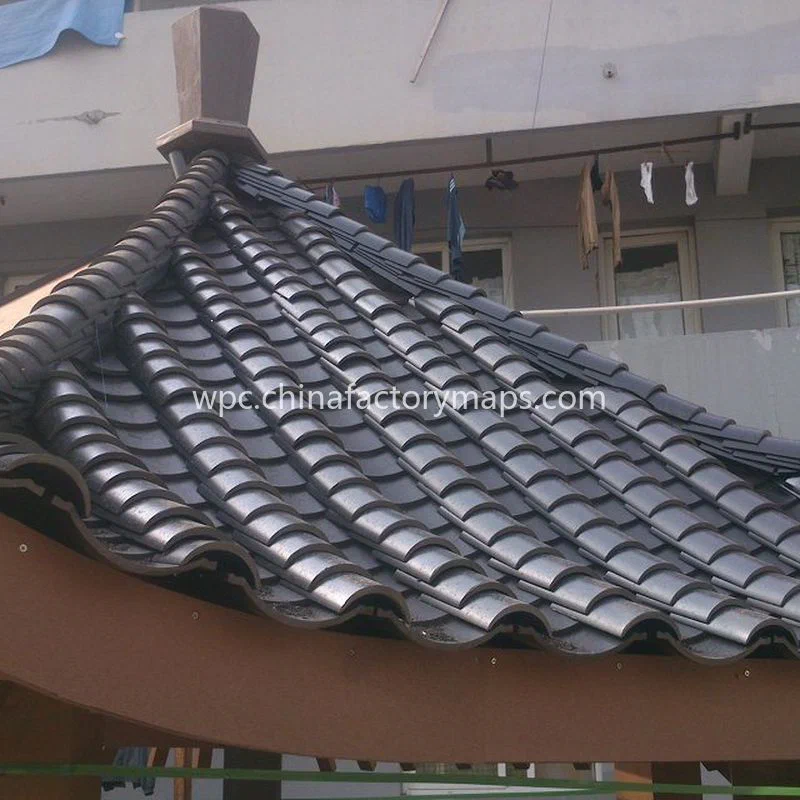
Residential projects often call for decking materials that balance practicality with aesthetics. Among various sizing options, 16-foot composite decking boards are particularly suited to mid-sized outdoor spaces such as patios, pool surrounds, or garden terraces. This article explores where and how these boards fit into residential applications, what project-specific factors impact specifications, and the role of Chinese manufacturing regions in serving this demand.
Benefits of 16-Foot Composite Decking for Residential Use

The 16-foot length offers versatility for residential decking projects, providing a balance between manageable board size and reduced need for joints. Fewer visible seams can enhance the visual appeal of a deck, while also minimizing potential weak points for moisture ingress. This sizing is well-suited to backyard settings where design continuity and ease of installation are priorities. For such spaces, buyers often seek boards that are UV-resistant, anti-slip, and able to withstand moderate foot traffic.
Environmental conditions can also shape purchasing decisions. In coastal areas, for example, where salt exposure is a concern, the material’s resistance to corrosion becomes critical. While wood-plastic composite (WPC) inherently resists moisture and insects, a high-quality co-extruded surface layer can add further protection against salt and UV degradation.
Specifying for Climate and Traffic Conditions
When planning residential decks, it is essential to match specifications to local climate and usage. In regions with freeze-thaw cycles, boards must tolerate thermal expansion and contraction without significant warping. Proper gapping and a ventilated substructure are key to avoiding long-term issues. For homes in high-UV environments, boards with enhanced fade resistance will maintain their aesthetic longer, though some color change over time is inevitable.
Heavy foot traffic, such as on decks doubling as outdoor entertainment areas, may necessitate boards with thicker profiles or reinforced cores. Buyers should confirm load-bearing capacity with suppliers during selection. Additionally, surface texture matters; anti-slip finishes are preferable for safety, especially around pools or in areas prone to rain.
Regional Suppliers Meeting Residential Needs
China’s manufacturing regions vary in their expertise and logistical advantages. Guangdong province, with its cluster of 22 mapped factories, is a major hub for WPC production. Proximity to Shenzhen and Guangzhou Ports facilitates efficient export to global markets. Suppliers in this region frequently offer co-extruded boards with high UV resistance, catering to both domestic and international residential projects.

Anhui province, particularly around Xuancheng and Suzhou, is another emerging area for WPC production. Factories here often emphasize eco-friendly manufacturing processes and offer competitive pricing for bulk orders. The region’s access to ports like Shanghai or Ningbo-Zhoushan allows for smooth shipment to overseas buyers.
Shandong province, with suppliers near Qingdao Port, specializes in large-scale production and often targets clients requiring durable materials for harsher climates. Boards from this region may align well with projects in northern markets, where freeze-thaw durability is critical.
Balancing Cost and Quality

For residential buyers, understanding the composite decking 16 ft price range can aid in budgeting and material selection. While exact costs vary by supplier, factors influencing price include board thickness, co-extrusion technology, and additional treatments like anti-UV layers. Buyers should weigh these options against project requirements to avoid overpaying for unnecessary features or under-specifying for critical needs.
Bulk purchasing directly from Chinese factories can reduce per-board costs, but minimum order quantities (MOQs) often apply. For smaller residential projects, working with distributors who source from these manufacturers can offer a practical alternative. In either case, requesting detailed product specifications and samples is advisable to ensure compatibility with project demands.
Installation Considerations for Residential Decks
Installation practices can significantly affect the performance of 16-foot composite decking in residential settings. Proper joist spacing, typically narrower than for traditional wood, ensures adequate support and prevents sagging over time. Most suppliers provide installation guides tailored to their products, which should be followed closely to avoid voiding warranties.
Special attention is also required for fasteners. Hidden fastening systems are popular for residential decks due to their clean appearance, but compatibility with the specific board profile must be verified. In areas of extreme heat or cold, allowing for thermal movement during installation is critical to maintaining long-term structural integrity.
Trends in Residential Applications

As homeowners prioritize sustainability and low maintenance, composite decking continues to gain ground in residential markets. Co-extruded boards, in particular, are favored for their enhanced durability and aesthetic options. Textured surfaces mimicking natural wood grains are common on patios and garden decks, while smoother finishes may be chosen for more modern architectural styles.
Color trends also influence buyer decisions. Neutral tones like gray and beige remain popular for their adaptability to various landscape designs. Darker shades, while contemporary, may require care in sunny climates to manage heat retention. Buyers should consult suppliers about color stability under UV conditions to avoid unexpected fading.
Conclusion
Choosing 16-foot composite decking for residential projects involves balancing aesthetics, durability, and climate-specific requirements. China’s manufacturing regions, with their diverse capabilities, offer a range of options to meet these needs. By considering factors such as board profile, surface treatment, and installation requirements, buyers can ensure optimal performance for their investment.
FAQ
Q: What is the typical composite decking 16 ft price range? A: Prices vary depending on board specifications, but bulk purchasing directly from manufacturers in China often reduces costs significantly.
Q: Are 16-foot boards suitable for coastal residential projects? A: Yes, if the boards are UV-resistant and have additional protective layers against salt exposure, they perform well in coastal conditions.
Related Articles
Featured Suppliers
Verified premium suppliers on our map.