Where Composite Decking Gap Fillers Are Made in China
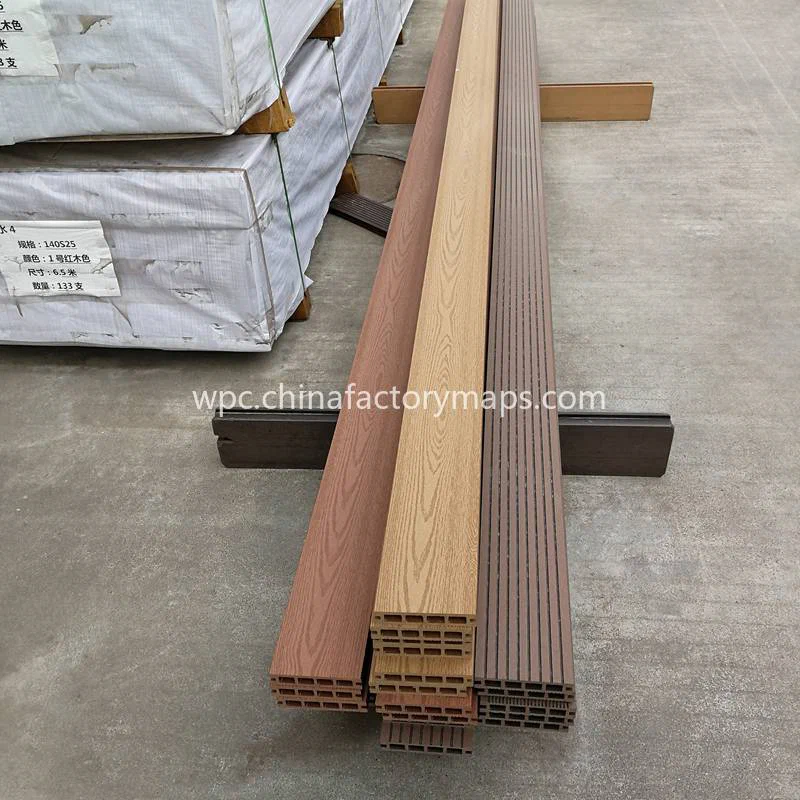
China’s production of composite decking gap fillers is concentrated in several key provinces, reflecting patterns of industrial capacity, regional expertise, and proximity to export ports. Manufacturers in Guangdong, Anhui, Shandong, Zhejiang, Shanghai, and Jiangsu collectively form the backbone of this segment, leveraging local resources and infrastructure.
Regional Clusters and Their Drivers
Guangdong leads in supplier numbers, with 22 factories listed in cities like Foshan, Guangzhou, and Zhuhai. The region benefits from an established plastics processing industry and advanced extrusion capabilities, which are crucial for producing wood-plastic composites. Its proximity to Shenzhen Port and Guangzhou Port facilitates efficient export logistics, making it a preferred choice for buyers seeking streamlined supply chains.
Anhui emerges as another significant cluster, particularly around Xuancheng, Suzhou, and Guangde. This province has a history of wood-polymer composite production and access to key raw materials, such as recycled plastics and wood fibers. Factories here are well-positioned to serve international markets through Shanghai Port and Ningbo-Zhoushan Port. The comparatively lower labor costs in Anhui may also appeal to buyers aiming for cost-sensitive procurement.

Shandong hosts seven suppliers in cities like Zibo, Linyi, and Qingdao. Known for its wood-working expertise, the province has adapted its manufacturing base to include composite products. Qingdao Port, one of China’s busiest export hubs, provides a logistical advantage for bulk shipments of decking components, including gap fillers.
Secondary Locations and Trade-offs
Zhejiang, with six suppliers in cities such as Huzhou, Jiaxing, and Hangzhou, has carved out a niche in co-extrusion decking and related products. Its proximity to Ningbo-Zhoushan Port supports export activities, while the region’s industrial diversification means factories can scale operations efficiently. Buyers targeting high-quality finishes or co-extrusion technologies often consider Zhejiang suppliers.
Shanghai, though smaller in supplier count, is strategically significant. Factories here benefit from direct access to Shanghai Port and the city’s sophisticated logistics infrastructure. Shanghai suppliers cater to buyers prioritizing precision manufacturing, often for applications requiring exact tolerances in composite decking components.
Jiangsu, with just two listed suppliers in Nanjing, represents a smaller but notable region for composite production. The province’s industrial base includes advanced machinery manufacturers, which contribute to high-quality extrusion processes. Factories here utilize Taicang Port for exports, offering another option for international buyers.
Practical Considerations for Buyers

Choosing a region to source composite decking gap fillers involves weighing factors like proximity to ports, production expertise, and cost structures. Guangdong suppliers might be optimal for buyers seeking fast shipping to Southeast Asia, Australia, or the Americas. Anhui’s lower production costs may suit budget-conscious projects, especially when large volumes are required.
Regions like Zhejiang and Shanghai are better suited for buyers prioritizing precision and advanced manufacturing techniques. Shandong’s focus on raw material integration and wood-polymer expertise makes it a strong contender for environmentally-focused projects. Jiangsu, while limited in supplier numbers, may offer unique advantages for high-specification products.
Understanding these clusters helps streamline the sourcing process, allowing buyers to align their priorities with regional strengths. Additionally, proximity to major export ports minimizes transit times and costs, which is critical for timely project execution.
FAQ
Q: What factors should buyers consider when choosing a region for composite decking gap fillers? A: Buyers should evaluate production expertise, proximity to export ports, labor costs, and regional infrastructure supporting composite manufacturing.
Q: Which provinces are best for cost-sensitive procurement? A: Anhui typically offers lower labor costs and competitive production pricing, making it suitable for budget-conscious buyers.
Featured Suppliers
Verified premium suppliers on our map.