Where WPC Decking Suits High-Humidity and Coastal Projects
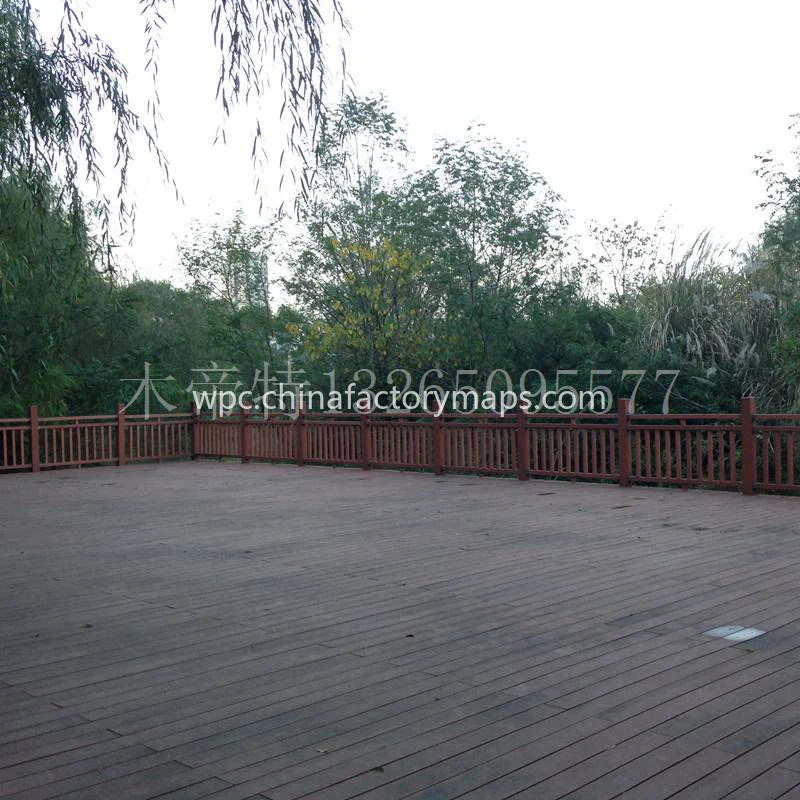
With its ability to resist moisture, insects, and rot, wood-plastic composite (WPC) decking is an increasingly popular choice for outdoor projects in high-humidity and coastal areas. However, these demanding environments necessitate specific product features to ensure longevity and performance. This article explains the key considerations for selecting WPC decking for such settings, including material specifications, design adaptations, and regional expertise.
Environmental Challenges in Coastal and Humid Areas
Coastal regions and high-humidity environments expose decking materials to unique stressors, including salt-laden air, frequent rainfall, and high levels of UV radiation. These conditions can cause traditional wood decking to warp, crack, or develop mold. WPC decking, which combines wood fibers with plastic polymers, offers significant resistance to these issues, but buyers should still account for material expansion, contraction, and UV fading when specifying products for these environments.
Material Composition and Additives
The composition of WPC decking plays a crucial role in its suitability for humid or coastal projects. A higher proportion of plastic in the composite mix can enhance moisture resistance, but it may also reduce the material’s rigidity. To counter this, some manufacturers incorporate stabilizing additives or co-extrusion technology, which applies a protective outer layer to the WPC boards. Buyers sourcing from Chinese factories should inquire about the specific formulations and treatments used to ensure the product aligns with project needs.

Design Requirements for Durability
Proper installation and design are essential to maximize the lifespan of WPC decking in challenging climates. Coastal projects should prioritize adequate gapping between boards to allow for thermal expansion and contraction. Ventilated substructures are also critical to prevent moisture buildup and ensure airflow beneath the decking. Factory advice on joist spacing and fastener compatibility can be particularly useful for projects near water or in regions with heavy rainfall.
Regional Expertise in China
Certain Chinese provinces have developed expertise in producing WPC decking tailored for demanding conditions. For instance, factories in Guangdong, particularly in Foshan and Guangzhou, frequently supply WPC materials for tropical and coastal applications due to their proximity to export ports like Shenzhen and Guangzhou Port. Zhejiang, home to suppliers in Huzhou and Jiaxing, also has a track record of producing UV-resistant decking for outdoor projects.

Export Logistics and Port Proximity
Proximity to major export ports can influence lead times and shipping costs for international buyers. For coastal and humid-region projects, choosing a supplier near ports like Shanghai, Ningbo-Zhoushan, or Qingdao can streamline logistics. Buyers should confirm whether the supplier has experience in packaging and shipping products for long-distance transport, as improper handling can lead to warping or damage before installation.

Balancing Cost with Performance
While WPC decking often offers a cost-effective alternative to tropical hardwoods, buyers must balance price considerations with material performance. Products designed for high-humidity or coastal environments may carry a premium due to enhanced formulations or co-extrusion layers. It is advisable to request samples and test results to verify claims of UV resistance, anti-slip properties, and moisture performance.
Sustainable Sourcing Considerations

WPC decking is often marketed as an eco-friendly product due to its use of recycled materials. However, sustainability certifications and material sourcing practices can vary significantly between suppliers. Buyers should verify the environmental credentials of their chosen manufacturer, particularly for large-scale projects where sustainability is a key consideration.
FAQ
Q: What does WPC decking mean?
A: WPC decking refers to wood-plastic composite decking, a material made by combining wood fibers and plastic polymers for outdoor use.
Q: Can WPC decking handle coastal salt exposure?
A: Yes, it resists salt-related corrosion and moisture damage, but proper installation and maintenance are critical for long-term durability.
Q: Do Chinese factories offer UV-resistant WPC decking?
A: Many suppliers, particularly in Guangdong and Zhejiang, produce UV-resistant WPC decking suitable for high-sunlight environments.
Featured Suppliers
Verified premium suppliers on our map.