Wholesale Composite Decking: The Changing Landscape in China
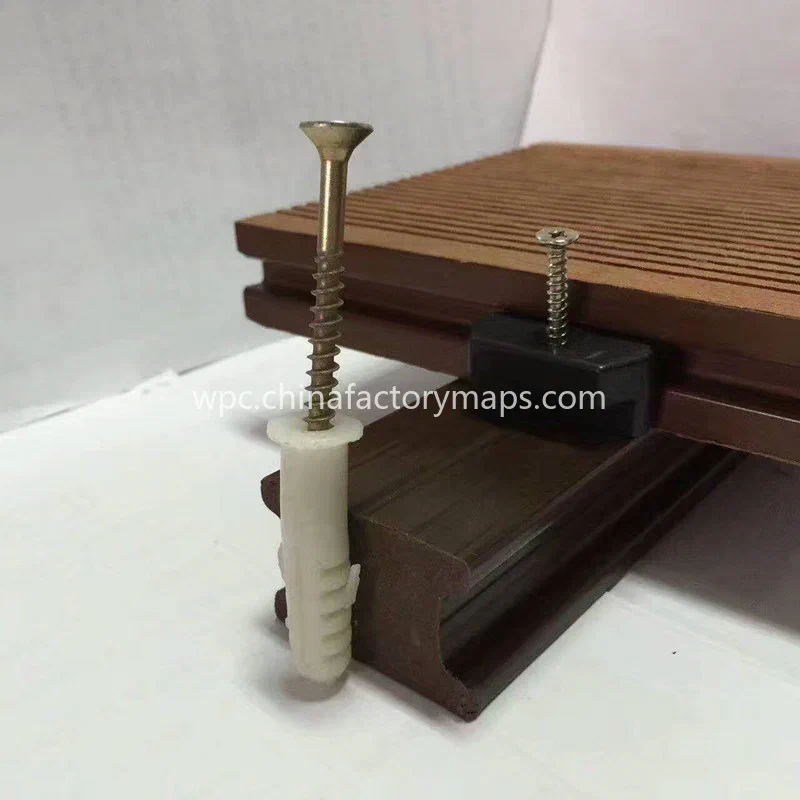
China’s manufacturing landscape for wood-plastic composite (WPC) decking has undergone notable shifts in recent years, impacting sourcing decisions for buyers. This article examines evolving trends in WPC production, regional dynamics, and considerations for wholesale procurement in this sector.
Regional Shifts in WPC Manufacturing
WPC factories in China are increasingly concentrated in specific provinces, reflecting regional specializations in this manufacturing niche. Guangdong leads with the largest cluster, including facilities in Foshan, Guangzhou, and Zhuhai, supported by proximity to export hubs like Shenzhen Port and Guangzhou Port. Zhejiang, Anhui, and Shandong provinces also host significant concentrations of factories, with Zhejiang’s proximity to Ningbo-Zhoushan Port and Anhui’s access to Shanghai Port offering logistical advantages. These regional differences mean buyers may need to weigh proximity to ports against factors like factory capacity or material grade when sourcing composite deck wholesale.
Export Orientation and Quality Standards
China’s WPC manufacturers show a strong orientation toward export markets, with many factories tailoring their offerings to meet international quality standards. While domestic demand for WPC products exists, export-focused manufacturers often prioritize certifications and testing protocols, particularly for UV resistance, fire ratings, and durability. Buyers should ensure that suppliers provide documentation for quality claims, especially for large-scale projects in regions with stringent building codes. The emphasis on export quality typically aligns with competitive pricing structures, but buyers should remain vigilant about verifying consistency across production batches.
Technological Advancements in WPC Production
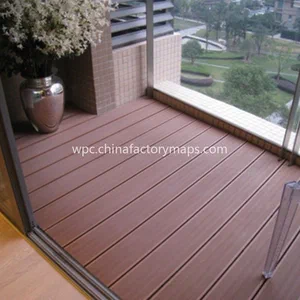
Recent advancements in co-extrusion technology have allowed Chinese manufacturers to produce WPC decking with improved surface durability and weather resistance. Co-extruded products, which feature a capped layer for enhanced UV protection and reduced moisture absorption, are increasingly available. These innovations address common concerns such as fading and warping, though buyers should still consider installation practices like proper gapping and substructure ventilation to mitigate thermal expansion. The shift toward more advanced materials offers opportunities for buyers seeking higher-end WPC products suitable for demanding environments like poolside decking or balcony applications.

Pricing Trends and Volume Considerations

For buyers exploring bulk orders, price sensitivity remains a key factor, alongside minimum order quantities (MOQs). Factories in Shandong and Anhui, regions with lower operating costs, may offer more competitive pricing compared to facilities in Guangdong or Shanghai. However, buyers should balance cost savings with logistical challenges tied to longer transit times to export ports. Additionally, larger orders may enable buyers to negotiate better pricing tiers, but this often requires aligning procurement timelines with factory production schedules, particularly during peak seasons.
Sustainability and Eco-Friendly Manufacturing
The environmental profile of WPC products continues to gain traction, with manufacturers emphasizing their use of recycled plastics and sustainable wood fibers. While WPC is not biodegradable, its durability and reduced maintenance requirements position it as a more sustainable choice compared to traditional timber. Some factories are investing in cleaner production processes to appeal to eco-conscious buyers, though these efforts vary widely across regions. Buyers prioritizing sustainability may need to inquire about specific initiatives, such as energy-efficient machinery or waste management practices, when evaluating suppliers.
Challenges in Lead Times and Customization
Lead time variability remains a challenge, particularly for custom orders involving non-standard colors, finishes, or sizes. Factories near major ports, such as those in Guangdong and Zhejiang, often benefit from faster shipping times, but customization requests can still extend production schedules. Buyers should factor in potential delays for bespoke products, especially for projects requiring precise aesthetic matching. Clear communication with suppliers about timelines and flexibility in scheduling can mitigate risks associated with delivery delays.
FAQ
Q: What are the benefits of sourcing WPC decking from China?
A: China offers a wide range of manufacturers with competitive pricing, export-oriented quality standards, and access to advanced production technologies.
Q: How can buyers verify the quality of WPC products?
A: Buyers should request certifications, material testing reports, and samples before committing to bulk orders to ensure product quality matches claims.
Q: Are custom color options available for WPC decking?
A: Many factories offer customization for color, texture, and sizing, but buyers should expect longer lead times for non-standard orders.
Related Articles
Featured Suppliers
Verified premium suppliers on our map.