
Wood Effect Plastic Panels: Comparing Finishes and Core Structures
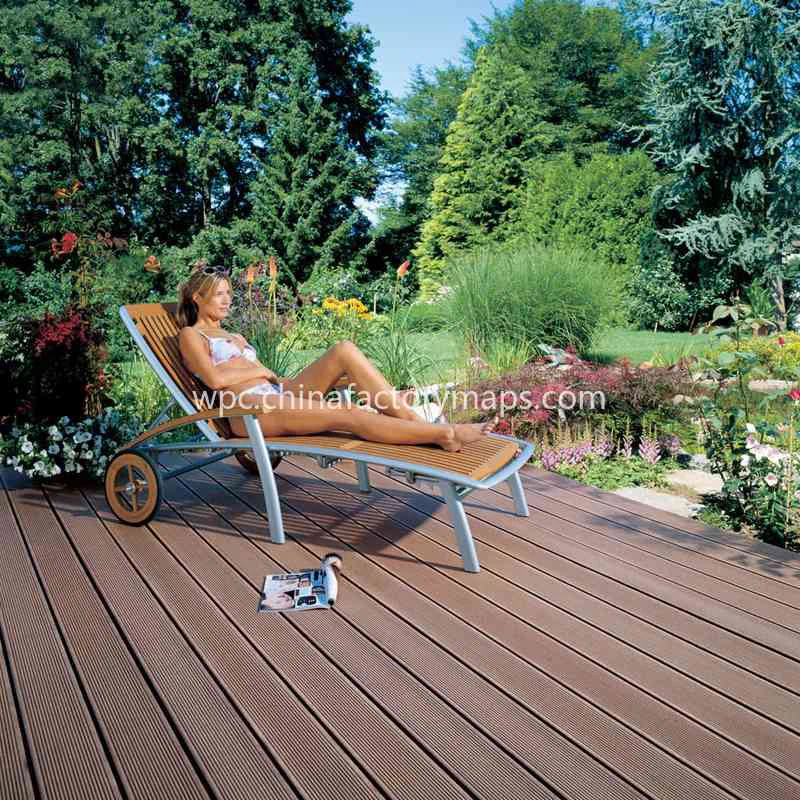
Wood effect plastic panels are commonly specified for exterior and interior applications where a timber appearance is required with different performance characteristics. This article compares WPC panel finishes and core structures, focusing on how construction choices affect appearance, installation, and long-term use.
Surface finishes and appearance options
The visible finish of wood effect plastic panels depends on how the surface is formed and treated. Standard embossed finishes create a grain pattern by pressing texture into the outer layer, giving the panel a wood-like appearance without using natural timber boards. The depth of the embossing, colour variation, and surface treatment influence how closely the panel resembles wood.
Co-extruded panels add a separate outer layer around the WPC core. This cap layer is designed to provide additional protection against surface wear, staining, and UV exposure. It does not remove all material movement or weathering effects, but it can improve surface consistency compared with uncapped products. Sustained sunlight can still affect colour over time, especially in exposed locations.

Wood grain is only one part of finish selection. Smooth surfaces are easier to clean in some applications but may show marks more clearly. Textured surfaces can improve visual depth and may provide better slip resistance depending on the product design. Buyers comparing suppliers should review samples because colour names and finish descriptions do not always represent the final surface appearance accurately.
Core structures and material differences
The internal structure of a WPC panel affects strength, weight, and installation requirements. Solid-core panels contain more material throughout the section and are often selected where a heavier profile is preferred. Hollow-core designs use internal channels to reduce weight and material use while maintaining suitable performance for many wall and decorative applications.
The core is typically made from a combination of wood fibres or flour, plastic polymers, and additives. The balance of these components changes the panel’s density, stiffness, and resistance to environmental exposure. Higher wood content can influence the appearance and processing characteristics, while polymer content affects moisture behaviour and surface properties.
WPC resists moisture absorption better than untreated wood and is less attractive to many insects, but it is not indestructible. Prolonged exposure to harsh conditions, impact, incorrect installation, or poor drainage can still cause problems. The material expands and contracts as temperatures change, so panel systems require appropriate gaps and fixing methods.
Installation factors and application fit
Installation design is a major difference between WPC panels and traditional timber products. Exterior panels need space for ventilation behind the surface, allowing air movement and helping manage moisture. A ventilated substructure also supports correct drainage and reduces stress caused by thermal expansion.
Fastening methods vary according to the profile design. Some systems use clips or concealed fixings, while others require visible screws or mechanical fasteners. The installer needs to follow the supplier’s guidance on spacing, support intervals, and movement allowance. A panel that performs well in testing can still fail if installed without room for expansion.
Application also determines which construction style is suitable. Decorative wall panels may prioritise appearance and lower weight, while outdoor areas exposed to weather require stronger consideration of structure, fixing, and drainage. The same finish may not be appropriate for every location.
Supplier location and sourcing considerations
China’s WPC manufacturing base is distributed across several regions rather than concentrated in one area. The mapped supplier clusters on ChinaFactoryMaps include Guangdong, Anhui, Shandong, Zhejiang, Shanghai, and Jiangsu. Guangdong has a large number of listed suppliers, including manufacturers located around Foshan, Guangzhou, and Zhuhai, while other clusters include areas such as Huzhou, Jiaxing, Zibo, Linyi, and Xuancheng.
For overseas buyers, factory location can affect logistics planning. Suppliers near export routes may offer practical advantages depending on shipment requirements. Relevant ports covered by the directory include Shanghai Port, Ningbo-Zhoushan Port, Shenzhen Port, Guangzhou Port, Qingdao Port, Taicang Port, and other major export gateways.
Location alone does not determine product suitability. Buyers comparing factories should review panel construction, available finishes, technical documentation, packaging methods, and experience with the intended application. A nearby supplier may reduce transport complexity, but material specifications remain central to product selection.
Comparing trade-offs between panel types

The choice between capped and uncapped WPC panels depends on the project conditions. Capped products generally place more emphasis on surface protection and appearance retention, while uncapped options may suit applications where surface exposure is lower or where a simpler construction is acceptable.
Solid and hollow profiles involve different compromises. Solid panels can provide a heavier feel and may suit areas where impact resistance is important. Hollow profiles can reduce weight and may simplify handling, but the support structure and installation method must match the product requirements.

Buyers should also consider future care requirements. WPC usually needs less frequent maintenance than painted timber because it does not require regular staining or sealing in the same way, but cleaning and inspection remain part of normal ownership. Surface marks, debris buildup, and environmental exposure can affect appearance over time.
Selecting specifications for project conditions
Climate and placement influence panel performance. A shaded facade, a covered balcony, and a fully exposed outdoor wall create different demands. High temperature changes, strong sunlight, and repeated wetting cycles increase the importance of correct gaps, ventilation, and fixing.
For projects requiring a wood appearance with composite construction, samples should be evaluated under the expected lighting and environment. Colour, texture, profile size, and installation details all affect the final result. Technical comparison is more useful than selecting only by appearance because the core structure and fixing system determine how the panel performs after installation.
A sourcing directory can help buyers compare manufacturers by region and access route, but product evaluation remains necessary before ordering. The most suitable WPC panel is the one whose finish, structure, and installation requirements match the conditions of the project.
FAQ
Q: What are wood effect plastic panels made from? A: Wood effect plastic panels are generally made from wood fibres or flour combined with plastic polymers and additives. The exact composition affects density, appearance, and environmental performance.
Q: Are WPC panels completely waterproof? A: WPC panels resist moisture better than untreated wood but are not completely waterproof in every situation. Proper drainage, ventilation, and installation gaps are still required.
Q: Why do WPC panels need expansion gaps? A: WPC expands and contracts with temperature changes. Expansion gaps allow the panels to move without creating pressure that can affect alignment or fastening.
Related Articles
Featured Suppliers
Verified premium suppliers on our map.
