
Wood Laminate Polymer Uses in Modern Outdoor Building Projects
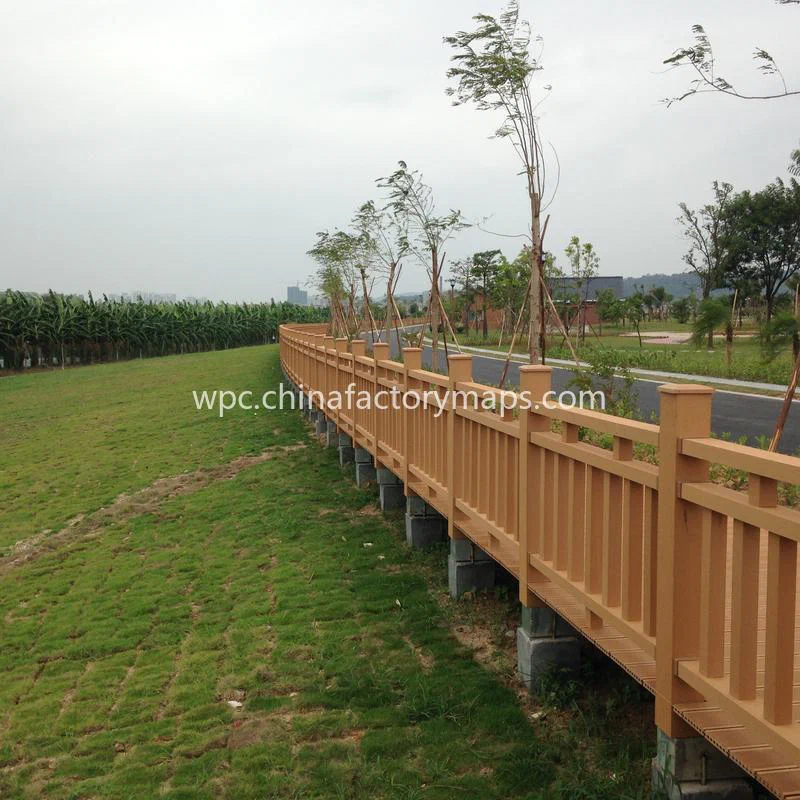
Wood laminate polymer products are used in outdoor building projects where appearance, moisture exposure, and long-term surface performance must be balanced. This article examines how project conditions affect material selection and how buyers can evaluate Chinese production regions for outdoor applications.
Application requirements for outdoor projects
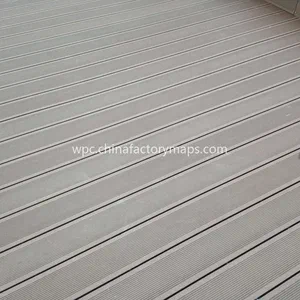
Outdoor flooring, decking, railing, and facade applications place different demands on wood-plastic composite materials. A coastal walkway near salt air requires attention to moisture resistance, fastener compatibility, and structural support design. A poolside area needs surface grip and drainage planning. High foot traffic zones require boards with suitable wear performance rather than a focus on appearance alone.

The term wood laminate polymer is often used in discussions around wood-look composite materials, but buyers should review the actual construction of the product. A WPC board typically combines wood fibres or powder with polymers to create a material that handles outdoor exposure better than untreated wood. It can resist moisture and insects, but it is not indestructible. Temperature changes can cause expansion and contraction, so installation specifications should include proper gaps and a ventilated substructure.
For projects in regions with strong sunlight, UV performance is a key purchasing factor. Colour can fade after sustained UV exposure, especially without suitable surface protection. Buyers should request information on colour stability, surface treatments, and whether the product is intended for exposed locations.
Regional sourcing considerations in China
China’s WPC manufacturing clusters are spread across several provinces, giving buyers different options depending on production location and export logistics. Guangdong has the largest mapped supplier group, with factories listed in Foshan, Guangzhou, and Zhuhai. This region serves projects requiring outdoor materials for warm, humid environments, including applications where moisture management is important.
Anhui is another significant production area, with mapped suppliers in Xuancheng, Suzhou, and Guangde. Buyers sourcing for inland markets or projects exposed to seasonal temperature changes may focus on factories with experience in products designed for freeze-thaw cycles. Zhejiang suppliers, including those in Huzhou, Jiaxing, and Hangzhou, are also positioned within an established manufacturing area with access to major transport connections.
Shandong suppliers in cities such as Zibo, Linyi, and Qingdao are relevant for buyers considering northern climate conditions. Outdoor projects in colder regions require attention to thermal movement, board flexibility, and installation methods. Jiangsu and Shanghai also appear in the mapped supplier network, providing additional sourcing options near established export routes.
Matching project conditions with supplier questions
A buyer evaluating WPC for outdoor construction should define the environment before comparing factories. A balcony deck in a residential development has different requirements from a public walkway, commercial terrace, or exterior wall application. The expected load, exposure level, cleaning frequency, and installation method all influence the suitable specification.

For coastal projects, buyers should ask about moisture absorption characteristics, edge protection, and recommended installation practices. For areas with heavy rain, ventilation beneath the boards helps reduce trapped moisture. For freeze-thaw climates, the focus should be on dimensional stability and correct spacing rather than assuming the material will remain unchanged in all temperatures.
Projects with high pedestrian use may require anti-slip surfaces and stronger structural support. Poolside installations need attention to wet conditions and maintenance procedures. Facade cladding applications introduce different concerns, including fixing systems, movement allowance, and exposure to wind and sunlight.
Port access and export planning
Location is an important part of supplier evaluation because WPC products are commonly shipped as long boards or panels that require suitable handling and packaging. The mapped directory allows buyers to compare factory regions with nearby export ports, including Shanghai Port, Ningbo-Zhoushan Port, Shenzhen Port, Qingdao Port, Guangzhou Port, and other listed gateways.
Guangdong factories may connect with Shenzhen Port and Guangzhou Port, while suppliers in Zhejiang and Shanghai have access to Shanghai Port and Ningbo-Zhoushan Port. Shandong production areas can be evaluated alongside Qingdao Port and Rizhao Port. Jiangsu suppliers may also be considered in relation to ports such as Taicang Port and Lianyungang Port.

Transport distance does not determine product quality, but it can affect export planning, communication efficiency, and shipment arrangements. Buyers comparing factories should consider both manufacturing capability and logistics suitability for the destination market.
Evaluating specifications before purchase
A practical supplier comparison should focus on technical documents, samples, and installation guidance rather than surface appearance alone. Important checks include board dimensions, core structure, surface finish, colour options, recommended joist spacing, and maintenance requirements.
WPC reduces many common issues associated with natural wood, but it still requires correct installation and periodic care. Cleaning methods, drainage design, and protection from excessive heat sources can influence service performance. Buyers should confirm that factory recommendations match the conditions of the intended project.

China’s mapped WPC supplier regions provide options for different outdoor building requirements. Selecting a suitable source depends on matching climate exposure, project use, product specifications, and export logistics.
FAQ
Q: Is WPC suitable for coastal outdoor projects?
A: WPC can be used in coastal projects because it resists moisture and insects better than untreated wood. Buyers should still check installation details, ventilation, and material suitability for salt exposure.
Q: Does WPC decking remain the same size in all weather conditions?
A: No. WPC expands and contracts with temperature changes, so correct gaps and a ventilated substructure are required during installation.
Q: Which Chinese regions produce WPC materials?
A: Mapped WPC suppliers are located in Guangdong, Anhui, Shandong, Zhejiang, Shanghai, and Jiangsu, with access to several major export ports.
Related Articles
Featured Suppliers
Verified premium suppliers on our map.
