WPC Customs Compared: Profiles, Layers and Surface Finishes
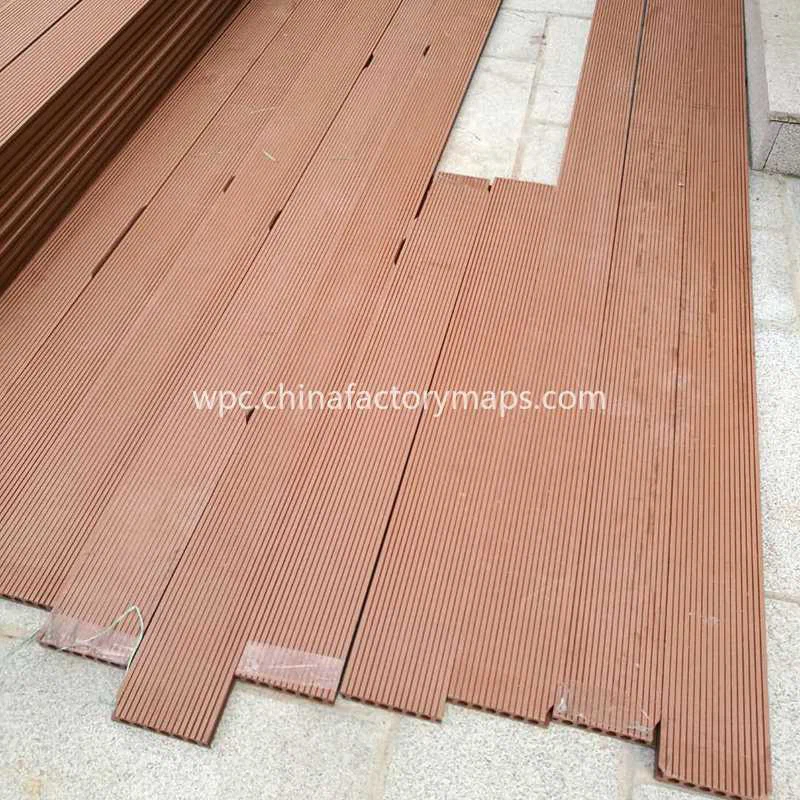
WPC customs vary by product structure, and buyers comparing suppliers need to look beyond surface appearance. This guide compares WPC profiles, internal layers, and finishes that affect performance, installation requirements, and suitable applications.
Profile structures and core materials
WPC decking boards are commonly produced with different internal profiles, including solid boards and hollow boards. Solid profiles contain more material throughout the section, which can provide higher resistance to impact and heavier loading conditions. Hollow profiles reduce material use and weight, but their internal design requires proper support spacing and installation methods.
The choice between profiles depends on the project environment. Areas with frequent foot traffic may require a profile designed for greater load support, while residential balconies or decorative applications may use lighter structures. All WPC boards experience thermal expansion and contraction, so installers need to allow movement gaps and avoid rigid installation that restricts natural changes caused by temperature.
The wood-plastic composite formulation also influences board behaviour. Manufacturers typically combine wood fibre or powder with plastic polymers and additives. The ratio of these components affects stiffness, appearance, moisture resistance, and surface texture. WPC resists moisture and insects better than untreated wood, but it is not indestructible and can still be affected by long-term exposure, poor installation, or mechanical damage.

Surface layers and finishing options
Surface treatment is a major difference between WPC products. Standard WPC boards may have a coloured surface formed during extrusion, while capped composite decking adds an outer protective layer around the core. A capped surface can improve resistance against stains, moisture exposure, and colour changes compared with uncapped options, although sustained UV exposure can still cause fading over time.
Embossed finishes are used to create wood-like grain patterns and improve slip resistance. Brushed or textured surfaces are often selected for outdoor flooring, garden decking, and poolside areas where surface grip matters. Smooth finishes can offer a cleaner appearance but may require more attention to installation location and maintenance conditions.
For buyers researching wpc customs, the important comparison is not only the visible finish but also the relationship between the outer layer and the internal structure. A decorative surface cannot compensate for unsuitable core design or incorrect installation.

Fastening systems also influence long-term results. WPC boards need compatible screws, clips, or fixing methods that allow controlled movement. The supporting frame should provide ventilation beneath the boards because trapped moisture and poor airflow can affect performance. Installation guidance from the manufacturer should be followed rather than treating WPC as a direct replacement for traditional timber.
Colour selection requires consideration of climate and exposure. Darker colours may absorb more heat and show surface changes more clearly, while lighter colours can help reduce visible weathering. Regular cleaning can remove dirt and surface deposits, but WPC should not be marketed as completely maintenance-free.
Matching finishes to applications

Different WPC constructions suit different project categories. Decking boards for outdoor areas usually prioritise slip resistance, drainage, and structural support. Facade cladding places more emphasis on appearance, fixing methods, and resistance to changing weather conditions. Railing systems require attention to connection strength because they serve a different structural purpose from horizontal boards.
A supplier comparison should include profile drawings, surface specifications, and installation details rather than relying only on photographs. Chinafactorymaps.com helps buyers review mapped WPC supplier locations and compare production regions, including clusters in Guangdong, Anhui, Shandong, Zhejiang, Shanghai, and Jiangsu. Location can also be considered alongside access to export routes such as Shanghai Port, Ningbo-Zhoushan Port, Shenzhen Port, and Guangzhou Port.
FAQ
Q: What is the difference between solid and hollow WPC decking profiles? A: Solid profiles contain more material and are often selected for higher impact resistance. Hollow profiles reduce weight and material use but require suitable support and installation practices.
Q: Is capped WPC decking waterproof? A: WPC has good moisture resistance but is not completely waterproof. Correct drainage, ventilation, and installation gaps remain necessary.
Q: Does WPC decking keep the same colour over time? A: WPC colours can change with prolonged UV exposure and outdoor weathering. Surface treatments and colour choices affect how visible these changes become.
Featured Suppliers
Verified premium suppliers on our map.