WPC Exterior Wall Cladding for Tropical and Urban Building Designs
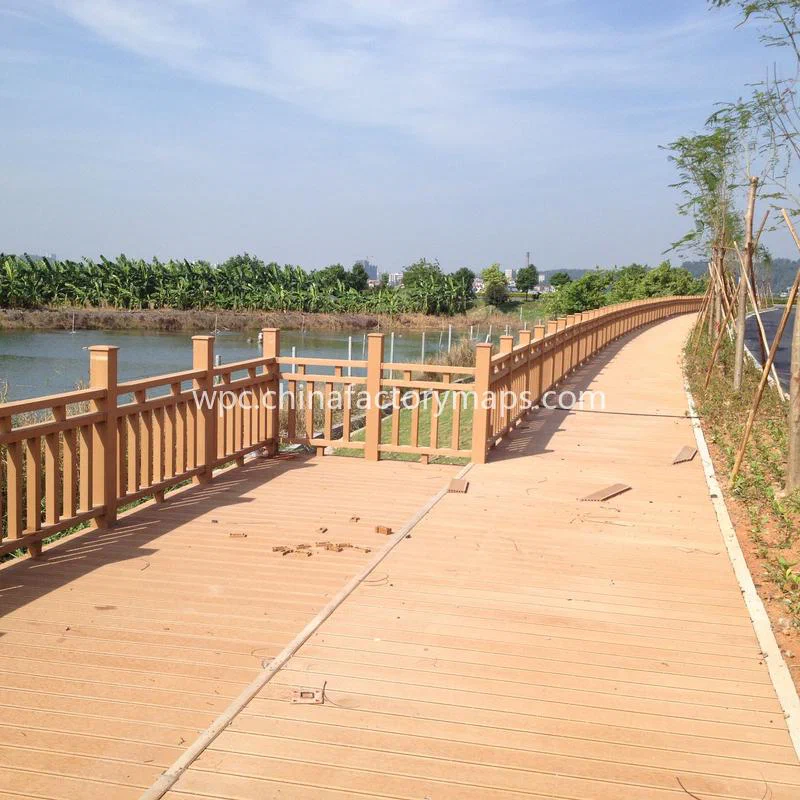
WPC exterior wall cladding is increasingly used in both tropical and urban building projects due to its ability to withstand challenging environmental conditions while offering an aesthetically pleasing finish. This article explores the specific demands these settings place on cladding materials, the technical attributes needed to meet those demands, and how China’s manufacturing hubs are positioned to provide suitable options.
Performance Requirements for Tropical and Urban Climates
Buildings in tropical regions are subject to high humidity, constant exposure to UV rays, and heavy rainfall, which can lead to material deterioration if not properly addressed. WPC cladding, with its resistance to moisture and insects, is well-suited for such environments. However, buyers should confirm UV stability to ensure long-term color retention, as consistent exposure to sunlight can cause some fading over time. Urban settings often demand additional durability to withstand pollution, potential impacts, and general wear and tear. Cladding products with reinforced cores or co-extrusion layers are worth considering for these projects.
Recommended Specifications for Buyers
When sourcing WPC exterior wall cladding, project-specific requirements must guide the choice of material. For tropical applications, prioritize cladding with strong anti-fade and moisture-resistant properties. In urban projects, impact resistance and ease of cleaning are critical for maintaining appearance in high-traffic or polluted areas. Buyers should also discuss gapping and ventilated substructure needs with suppliers, as these are essential for managing thermal expansion and contraction in climates with temperature fluctuations.
Regional Manufacturing Strengths in China
China’s key WPC-producing regions, such as Guangdong, Zhejiang, and Shandong, have established expertise in meeting the demands of both tropical and urban markets. Guangdong, with clusters in cities like Foshan and Guangzhou, benefits from proximity to major export ports like Shenzhen and Guangzhou Port, enabling efficient shipping to Southeast Asia and other tropical regions. Zhejiang and Jiangsu, with access to Ningbo-Zhoushan and Taicang ports, often focus on higher-end products such as co-extrusion cladding, which may better suit urban projects requiring premium finishes.
Export Logistics and Port Proximity

Proximity to export ports like Shanghai Port and Qingdao Port is a logistical advantage for many Chinese WPC manufacturers. Buyers sourcing from Shanghai or Jiangsu can expect relatively short lead times to urban markets in East Asia or Oceania. Meanwhile, Guangdong factories are strategically positioned to ship to tropical markets in Southeast Asia or Africa. For larger projects, buyers should collaborate with suppliers to optimize shipping solutions, especially when balancing costs with deadlines.
Considerations for Bulk Orders

Large-scale projects often benefit from placing bulk orders directly with manufacturers capable of OEM production. This allows for custom specifications, such as color matching or enhanced UV resistance. Buyers should inquire about minimum order quantities and production lead times, as these vary between regions and manufacturers. Guangdong and Anhui suppliers, for example, are known for accommodating a wider range of order sizes.
FAQ
Q: What factors influence WPC exterior wall cladding price?
A: Pricing depends on factors like material composition, UV stability, and order size. Bulk orders and co-extrusion products often come at a premium.
Q: How should WPC cladding be maintained in tropical climates?
A: Regular cleaning and inspection for debris buildup are recommended. This helps prevent surface discoloration and ensures longevity.
Featured Suppliers
Verified premium suppliers on our map.