WPC Extrusion Methods: Key Factors to Compare Before Buying
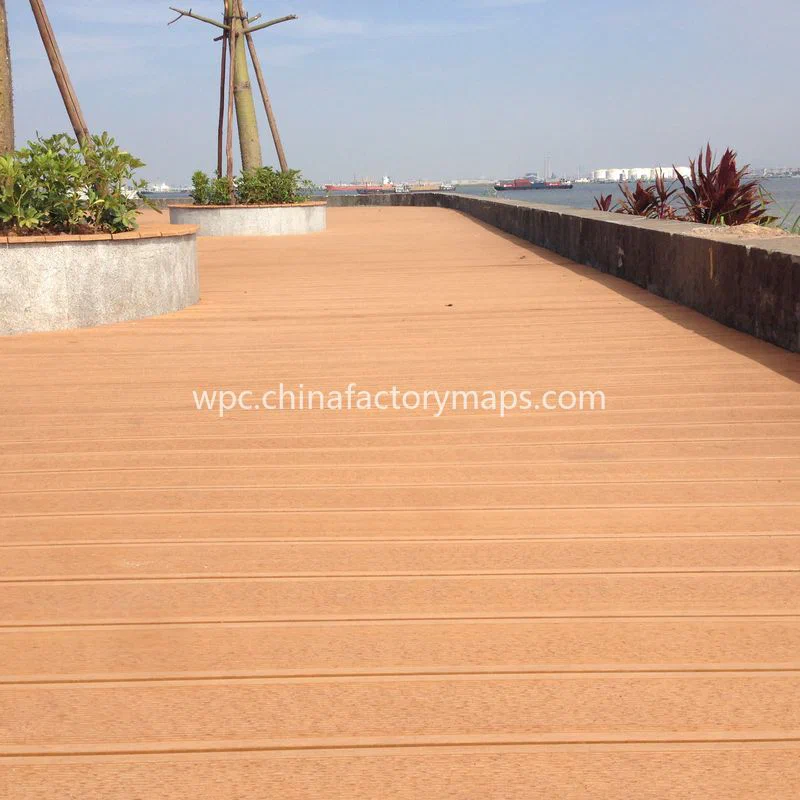
Wood-plastic composite (WPC) extrusion methods vary significantly, influencing the final product’s performance, appearance, and cost. Buyers considering WPC materials for outdoor decking, railing, or cladding should understand the technical differences between extrusion processes and their practical implications.
Single Extrusion vs. Co-Extrusion
Single extrusion is the foundational method for producing WPC profiles. In this process, the raw materials—wood fibers or flour combined with thermoplastics—are heated, mixed, and extruded through a die to form a consistent profile. While single extrusion creates a uniform product, it is more susceptible to issues such as surface fading and wear under UV exposure. Co-extrusion, by contrast, involves encapsulating the core material with an outer protective layer during the extrusion process. This outer layer enhances resistance to UV, moisture, and staining, making co-extrusion decking a preferred choice for demanding outdoor environments.
Material Composition and its Impacts

The ratio of wood to plastic in WPC products directly affects their properties. Higher wood content generally enhances the material’s rigidity and natural texture but increases susceptibility to moisture-related swelling and contraction. Conversely, higher plastic content improves moisture resistance but may compromise the appearance of wood-like textures. For applications requiring high water resistance, such as poolside decking, a lower wood content or co-extruded WPC is often recommended. Thermal expansion is another factor tied to composition, as plastics expand more than wood under heat.

Surface Finishes and UV Performance
Extrusion methods also influence surface finish options. Embossed patterns, brushed textures, and smooth finishes are achievable with both single and co-extrusion processes. Co-extrusion products, however, tend to retain their surface characteristics longer due to the protective cap layer. UV resistance is a critical factor for outdoor installations, especially in regions with high sun exposure. While all WPC products fade to some degree under sustained UV, co-extruded profiles typically show slower and more uniform fading compared to single-extruded products.
Fastening Systems and Substructure Considerations
The extrusion method affects compatibility with fastening systems. Co-extrusion decking often has capped edges, which require specific clips or screws that do not puncture the protective layer. Single-extruded profiles may offer more flexibility with traditional fasteners but lack the added durability of capped edges. Both types need a ventilated substructure to accommodate thermal movement and prevent moisture build-up. Buyers must ensure proper gapping between boards to allow for expansion and contraction, which is inherent to all WPC products.
Manufacturing Locations and Export Logistics
ChinaFactoryMaps.com identifies supplier clusters in regions such as Guangdong, Anhui, and Shandong, each with proximity to major export ports like Guangzhou Port and Qingdao Port. Buyers sourcing co-extruded WPC decking, for example, might prioritize factories near ports known for reliable shipping routes to their target markets. Proximity to export ports can reduce transit times and logistics costs, especially for bulk orders. Additionally, regional differences in manufacturing expertise may influence product quality and customization capabilities.
Trade-Offs in Cost and Maintenance
While co-extrusion products offer enhanced durability and aesthetics, they generally come at a higher price point. Single-extruded WPC remains an affordable option for projects with lower exposure to harsh conditions. Maintenance expectations also differ; co-extruded surfaces require less frequent cleaning and are more resistant to staining, whereas single-extruded profiles may need periodic refinishing to maintain their appearance. Buyers should weigh initial costs against the long-term maintenance requirements to determine the most cost-effective solution.
FAQ
Q: Do co-extrusion WPC products require special installation tools? A: Yes, specific fasteners and clips compatible with the protective cap layer are often recommended.
Q: Can single-extrusion WPC decking be used for poolside applications? A: It is possible, but co-extrusion products are typically better suited due to their enhanced moisture resistance.
Related Articles
Featured Suppliers
Verified premium suppliers on our map.