WPC Flooring Prices: Comparing Cores, Layers and Profiles
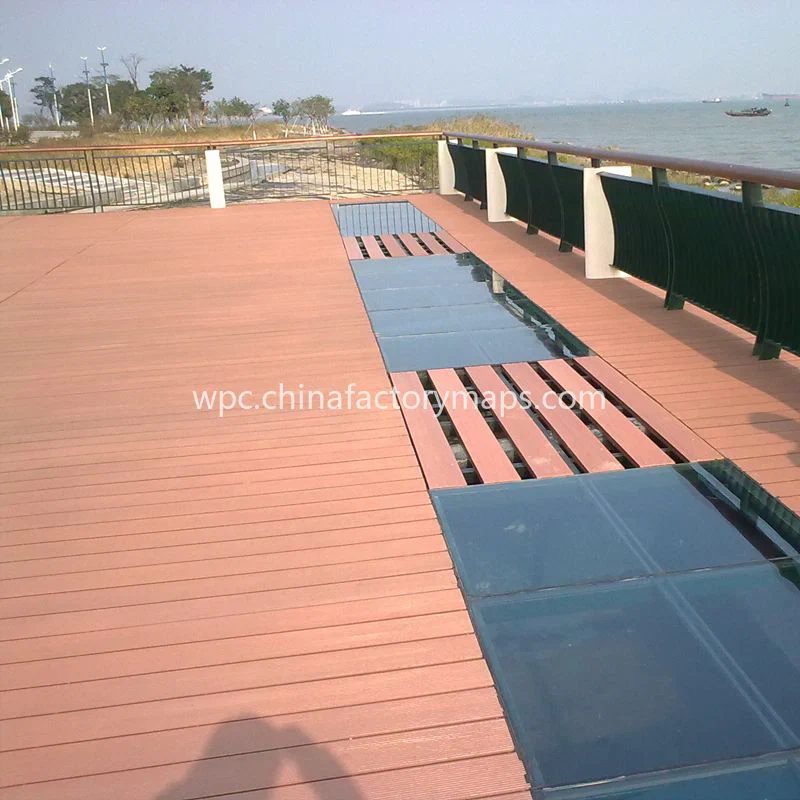
WPC flooring prices are shaped by material composition, surface structure, and manufacturing method rather than by appearance alone. This guide compares the core, layer, and profile differences that affect product selection for outdoor flooring applications.
Core composition and board structure
The core of a WPC board usually combines wood fibres or powder with polymer materials. The ratio and processing method influence stiffness, weight, surface feel, and thermal behaviour. Higher wood content can create a more timber-like appearance, while different polymer balances can affect moisture resistance and dimensional movement.
For buyers comparing wpc flooring prices, core construction is one of the first factors to review. WPC reduces many issues associated with untreated wood because it resists moisture absorption and insect damage better, but it is not indestructible. Prolonged exposure to harsh conditions can still affect the board over time.
Surface layers and performance differences

Many WPC flooring products use a protective outer layer or co-extruded surface. This layer can improve resistance to staining, scratches, and colour changes compared with an uncovered core. It also changes the visual finish, with options that imitate different wood textures.
UV exposure remains an important consideration. Even with protective layers, sustained sunlight can cause some colour fading. The expected level of colour retention depends on the formulation, surface treatment, and installation environment. Outdoor projects with strong sun exposure require closer review of material specifications.
Profile design also affects how the flooring performs after installation. Hollow profiles reduce material use and weight, while solid profiles generally provide more mass and may suit areas where additional impact resistance is needed. Neither design removes the need for correct installation practices.
Installation requirements and regional sourcing factors
WPC flooring expands and contracts with temperature changes. Installers need to allow proper gaps between boards and provide a ventilated substructure beneath the surface. Poor spacing or limited airflow can create movement problems even when the board material is suitable for outdoor use.
The factory location can influence sourcing decisions for overseas buyers. China’s mapped WPC supplier clusters include Guangdong, Anhui, Shandong, Zhejiang, Shanghai, and Jiangsu. Production areas such as Foshan, Guangzhou, Zhuhai, Xuancheng, Zibo, Huzhou, and Nanjing are connected through different logistics routes, with export access commonly considered alongside product selection.
Choosing profiles by application
Different WPC flooring profiles fit different project requirements. Balcony flooring may place more emphasis on appearance and drainage, while poolside applications often require slip resistance and careful surface design. Larger outdoor areas may require boards with consistent dimensions and installation support.

Buyers should also compare fastening systems, joist requirements, and replacement options. WPC boards are designed for outdoor use, but individual components still need proper installation and periodic inspection. Areas with heavy foot traffic or changing weather conditions require attention to board spacing and support structure.
Comparing total value beyond material cost

The lowest quoted product is not always the most suitable option. Core density, surface treatment, profile type, and installation requirements all affect the practical value of a WPC flooring system. A product with a stronger surface layer may suit exposed locations better, while a simpler profile may fit projects with different priorities.
Supplier mapping platforms help buyers compare production regions and nearby export ports when reviewing options. Ports covered in the directory include Shanghai Port, Ningbo-Zhoushan Port, Shenzhen Port, Qingdao Port, Guangzhou Port, Tianjin Port, Xiamen Port, Taicang Port, Beibu Gulf Port, Rizhao Port, Lianyungang Port, and Yingkou Port.
FAQ
Q: Does WPC flooring require gaps during installation? A: Yes. WPC boards expand and contract with temperature changes, so proper spacing is needed to manage movement.
Q: Is WPC flooring completely waterproof? A: No. WPC has strong moisture resistance but is not completely waterproof. Correct drainage, ventilation, and installation methods remain important.
Featured Suppliers
Verified premium suppliers on our map.