WPC Fluted Panels: Dimensions and Material Differences to Know
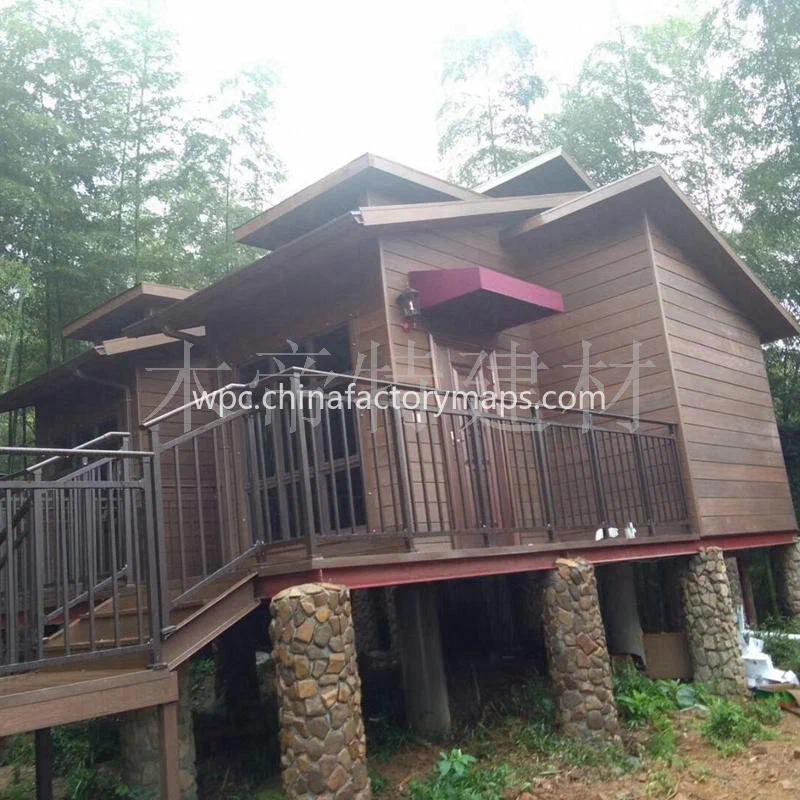
Wood-plastic composite (WPC) fluted panels are used in a variety of exterior and interior applications, offering aesthetic appeal alongside functional benefits. These panels are valued for their ability to mimic natural wood while providing enhanced resistance to moisture and pests. However, understanding the differences in material composition, dimensions, and installation requirements is crucial for selecting the right panel for a project.
Material Composition: Solid Core vs. Hollow Core
The composition of WPC fluted panels can differ significantly between manufacturers, often impacting their weight, durability, and cost. Solid core panels are typically denser and more robust, making them suitable for high-traffic areas or applications that demand higher load-bearing capacity. However, this additional durability comes at the expense of weight and cost. Hollow core panels, on the other hand, are lighter and more economical, but they may not be as structurally resilient as their solid counterparts. Buyers should evaluate the intended use and environmental conditions to make an informed decision.
Dimensions and Thermal Movement
WPC fluted panel dimensions vary widely, with standard lengths often ranging from 2.2m to 3.6m and widths between 150mm and 200mm. Thicknesses generally fall between 10mm and 20mm, though custom dimensions are available from some manufacturers. Due to the material’s thermal expansion and contraction properties, proper gapping must be incorporated during installation. Without adequate spacing, panels may warp or buckle under fluctuating temperatures. This makes precise knowledge of dimensions and thermal behavior a critical factor in successful application.
Surface Textures and Co-Extrusion Options

The surface finish of WPC fluted panels can range from smooth to wood-grain textures, depending on the manufacturing process. Co-extruded panels often feature an additional protective layer that enhances UV resistance and minimizes color fading over time. While co-extrusion can increase the initial cost, it offers longer-lasting aesthetics and reduced maintenance requirements. When selecting a panel, consider the trade-off between upfront investment and the long-term durability of the finish.
Moisture Resistance and Ventilation Requirements
One of the key advantages of WPC fluted panels is their resistance to moisture, making them a popular choice for outdoor use. However, proper ventilation behind the panels is essential to prevent trapped moisture and potential mold growth. This is particularly important in humid climates or areas with significant rainfall. Buyers should ensure that the installation design includes adequate airflow to maximize the material’s lifespan.
Fastening Systems and Structural Considerations
The fastening system used for WPC fluted panels can vary, with options ranging from concealed clips to visible screws. Concealed systems offer a cleaner aesthetic but may require specialized components, increasing overall costs. Panels should always be installed on a ventilated substructure, and manufacturers’ guidelines on fastener spacing and support structures must be followed to avoid issues such as sagging or detachment. Attention to these details ensures both safety and longevity.

Regional Availability and Export Considerations
Suppliers in provinces such as Guangdong, Anhui, and Zhejiang manufacture a wide range of WPC fluted panels, with proximity to major export ports like Guangzhou, Ningbo-Zhoushan, and Shanghai facilitating international shipping. Buyers targeting specific dimensions or finishes may benefit from sourcing directly from these clusters to reduce lead times and transportation costs. It’s also advisable to confirm compatibility with local building codes and standards before placing bulk orders.
FAQ
Q: What are standard WPC fluted panel dimensions?
A: Common lengths range from 2.2m to 3.6m, widths from 150mm to 200mm, and thicknesses between 10mm and 20mm.
Q: Are WPC fluted panels completely waterproof?
A: While highly moisture-resistant, they are not fully waterproof. Proper ventilation and installation are required to ensure durability.
Related Articles
Featured Suppliers
Verified premium suppliers on our map.