
WPC vs Teak Wood: What Buyers Should Compare Before Ordering
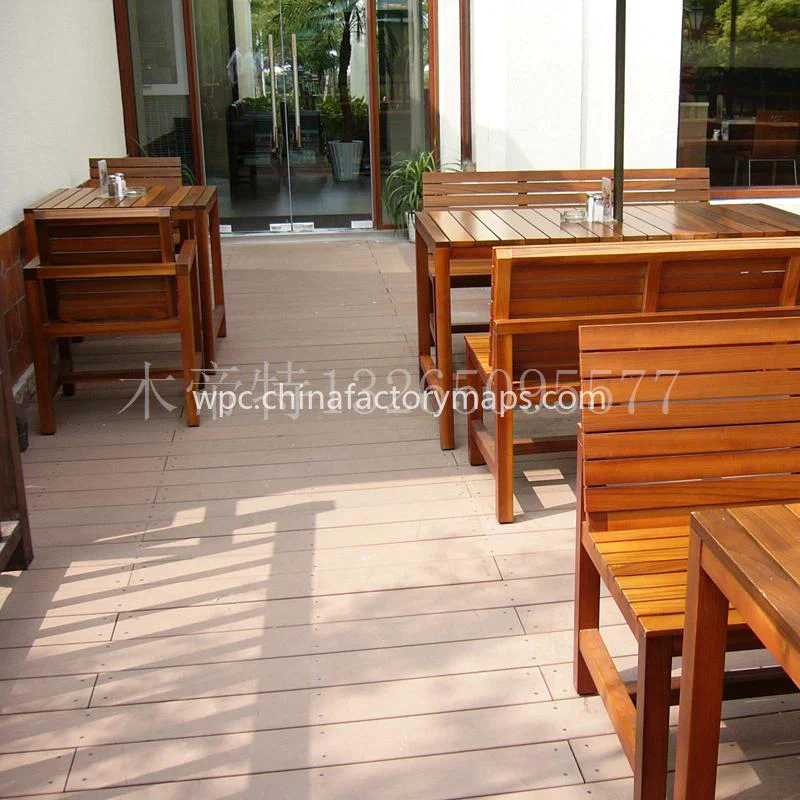
WPC and teak serve different requirements in outdoor decking, but buyers sourcing from China need to compare more than the initial material specification. The choice affects appearance, installation, maintenance, expected service life and shipping costs. Supplier verification is equally important because WPC formulations and manufacturing standards vary between factories.
Material choice and product specifications
Teak is a natural hardwood valued for its grain, colour and natural resistance to moisture. WPC combines wood fibre or wood flour with polymers and additives. It offers a more consistent manufactured profile, although its appearance does not fully reproduce natural timber. In a wpc vs teak wood comparison, buyers should consider the intended setting, exposure conditions and maintenance expectations rather than treating either material as a universal replacement for the other.
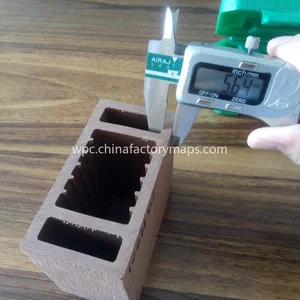
WPC is not a single standardised product. The proportion and type of wood fibre, polymer content, additives, surface treatment and manufacturing process all affect performance. Ask suppliers for a technical specification covering dimensions, weight, profile structure, surface finish and intended application. Request samples from the actual production range. Colour photographs alone cannot establish texture, density or finish consistency. For teak, verify the timber grade, origin documentation where applicable, moisture condition and grading criteria.

Factory verification and export checks
China’s mapped WPC supplier clusters include Guangdong, Anhui, Shandong, Zhejiang, Shanghai and Jiangsu. Guangdong has the largest listed group, including factories in Foshan, Guangzhou and Zhuhai. However, supplier location does not establish manufacturing capability. Buyers should ask whether the business operates its own extrusion lines, maintains its own tooling and controls raw material purchasing. A genuine manufacturer should be able to explain its production process and provide recent factory-floor evidence. Ask for a live video inspection if an overseas visit is impractical.

Trading companies can offer useful sourcing services, but buyers should establish who actually manufactures the boards. Request the factory’s registered business details, production address, equipment information and a sample order process. Compare the quoted product specification with the sample and eventual purchase contract. Also clarify who handles quality inspections, rejected batches and replacement arrangements. Export logistics deserve separate attention. Guangdong suppliers may be evaluated against Shenzhen and Guangzhou ports, while Zhejiang suppliers may be assessed against Ningbo-Zhoushan or Shanghai Port. The directory’s distance filters help narrow the search, but actual freight routing and inland transport costs still require confirmation.
Installation and long-term exposure need to be included in procurement decisions. WPC expands and contracts with temperature changes, so boards require appropriate expansion gaps and a ventilated substructure. Moisture and insect resistance are advantages over many untreated timber products, not guarantees against every form of damage. Sustained UV exposure can also fade the colour. Ask for installation instructions, recommended fixing systems and evidence of performance under relevant exposure conditions. Common problems include inconsistent board dimensions, colour differences between batches, inadequate ventilation and incorrect spacing. These issues can create avoidable costs after delivery.
FAQ
Q: Is WPC always cheaper than teak?
A: Not necessarily. Compare the full project cost, including material grade, installation, maintenance, transport and expected replacement requirements.
Q: What should buyers request before ordering WPC from China?
A: Request technical specifications, physical samples, factory verification, installation guidance and written quality-control terms. Confirm the actual manufacturing location and export arrangements before placing a bulk order.
Related Articles
Featured Suppliers
Verified premium suppliers on our map.
