WPC Wall Options for Extreme Weather Conditions
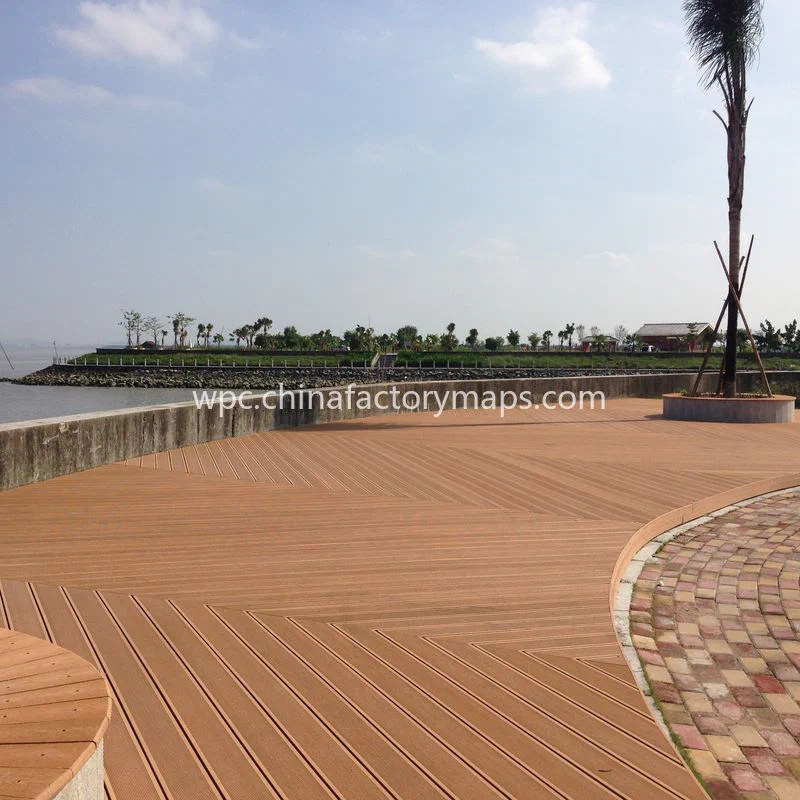
Wood-plastic composite (WPC) wall panels are increasingly being used in construction projects exposed to extreme weather conditions. Their blend of wood fibers and high-density polyethylene provides durability and resistance to environmental factors that can challenge traditional materials. However, selecting the right specifications for WPC walls in harsh climates requires careful consideration of several factors.
Performance in High UV Environments
Regions with high UV exposure, such as coastal or desert areas, demand WPC walls with enhanced UV resistance. Prolonged sun exposure can cause fading and surface degradation if the material is not properly stabilized. Many Chinese manufacturers, particularly in Guangdong and Zhejiang, offer co-extruded WPC panels with an additional protective layer designed to resist UV damage. Buyers should verify that the supplier’s products have undergone UV-resistance testing, as this feature is essential for maintaining the color and integrity of the panels over time.
Salt and Moisture Resistance in Coastal Areas
Coastal applications require WPC walls that can withstand salt-laden air and high humidity. Salt can accelerate corrosion in some materials, but WPC’s synthetic component makes it inherently resistant to such damage. To ensure longevity in these conditions, buyers should confirm that the panels include anti-corrosion measures and are manufactured with moisture-resistant additives. Factories in cities like Foshan and Guangzhou, which serve export routes through Shenzhen Port and Guangzhou Port, frequently cater to projects in tropical and coastal climates.

Freeze-Thaw Durability for Cold Regions
In regions subject to freeze-thaw cycles, the ability of WPC panels to handle expansion and contraction without cracking is critical. Extreme temperature fluctuations can compromise materials with poor thermal stability. Buyers targeting these areas should look for WPC walls with reinforced structural integrity and a low water absorption rate to minimize cracking or warping. Suppliers in colder provinces such as Shandong, with access to ports like Qingdao and Rizhao, often produce WPC suitable for such environments.

Heavy Traffic and Impact Resistance
WPC walls used in areas with heavy foot traffic or frequent public use, such as urban centers or commercial buildings, need additional impact resistance. Reinforced WPC panels with higher material density are better suited to resist dents and surface wear. Cities like Shanghai and Nanjing, both active hubs for commercial development, house suppliers capable of producing durable, high-density WPC walls for such demanding applications.
Fire Resistance Standards
Fire safety is a key consideration in many regions, especially for projects in urban or high-risk fire zones. Some WPC panels are treated with fire retardants to meet international fire-resistance standards. Buyers should request certification details to ensure compliance with local building codes. Factories in Zhejiang and Jiangsu are known for producing WPC panels that meet stringent fire safety requirements, making them viable options for buyers prioritizing this feature.
Color Retention and Aesthetic Longevity
For projects where aesthetics are a priority, such as residential façades or hotel exteriors, color retention is a crucial factor. Sustained UV exposure and weathering can cause fading, especially in darker hues. Co-extrusion technology, available from several Guangdong manufacturers, provides an outer layer that protects against discoloration. Buyers should inquire about the longevity of the panel’s appearance and request samples for accelerated weathering tests.

Regional Sourcing Considerations
China’s WPC manufacturing base is geographically diverse, with clusters in Guangdong, Shandong, Zhejiang, Anhui, Jiangsu, and Shanghai. Each region has its specialties, often influenced by proximity to export ports and local climate conditions. For example, Guangdong suppliers are well-suited for tropical projects due to their experience with moisture-resistant products, while Shandong factories cater to cold-climate demands. Buyers should consider the logistics of sourcing from a region near their intended export port to minimize transportation costs and lead times.

FAQ
Q: Are WPC walls suitable for cold climates with freeze-thaw cycles?
A: Yes, if they are designed with low water absorption and thermal stability. Panels from suppliers in colder regions like Shandong are recommended.
Q: How do I verify a supplier’s UV resistance claims for WPC walls?
A: Request test results or certifications that demonstrate the product’s performance under accelerated UV exposure.
Related Articles
Featured Suppliers
Verified premium suppliers on our map.