
WPC Wood Panel Installation: Comparing Methods and Profiles
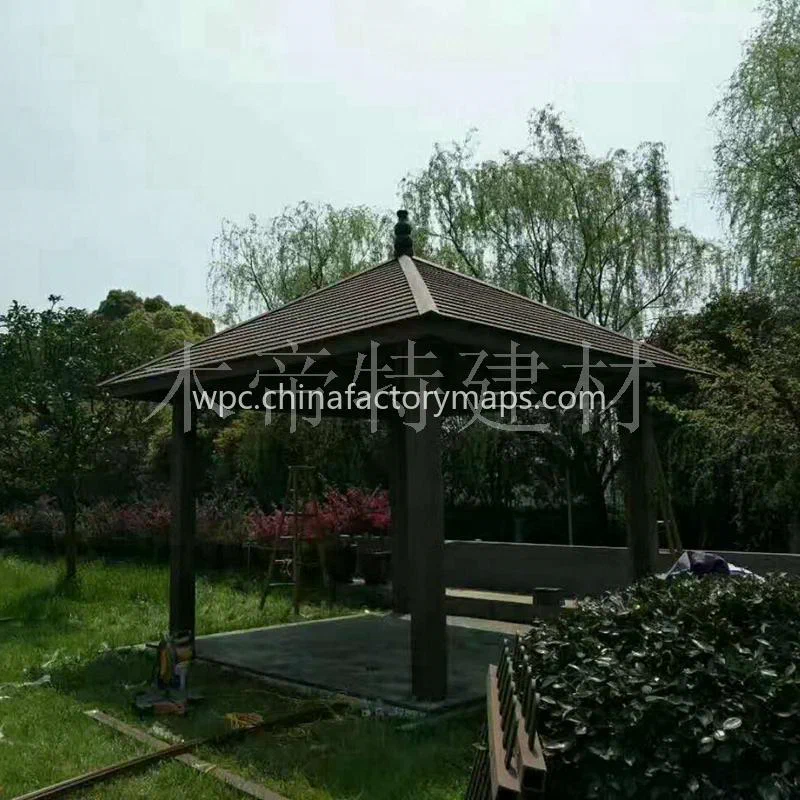
WPC wood panel installation depends on the panel structure, fastening method, and the conditions where the material will be used. This article compares common WPC panel construction approaches, focusing on profiles, expansion behaviour, support systems, and practical installation considerations for sourcing decisions.
Panel profiles and construction differences
WPC panels are produced with different internal structures that affect weight, rigidity, and installation requirements. Hollow profiles use internal chambers to reduce material use and overall load, making them common for many exterior applications. Solid profiles contain more material and provide higher mass, which can be useful where impact resistance or a heavier appearance is preferred.

The outer surface also changes performance expectations. Uncapped WPC panels expose the composite material directly, while capped profiles add a protective polymer layer around the surface. Capped products generally provide better resistance against staining and sustained UV exposure, but the cap does not remove the need for correct installation. All WPC materials experience some thermal expansion and contraction, so installers must allow movement at joints and edges.
Installation methods vary by application. Hidden fastening systems create a cleaner surface appearance by placing clips or fasteners between boards, while face fastening uses visible screws fixed through the panel surface. Hidden systems require compatible profiles and accurate spacing, while face fastening can offer simpler access for repairs or replacement. The choice depends on appearance requirements, site conditions, and installer experience.
Comparing installation environments
For exterior wall applications, WPC wall panels are usually installed over a ventilated substructure rather than directly against a solid wall. The cavity allows air movement and helps manage moisture behind the panels. Proper alignment of the support frame is important because uneven framing can create visible gaps or stress points after installation.

Decking and flooring applications have different requirements. WPC decking boards need a stable joist structure with suitable spacing between boards to accommodate expansion and drainage. Areas exposed to frequent moisture, such as balconies or poolside locations, require attention to water runoff and ventilation below the surface. WPC resists moisture and insects better than many traditional wood products, but it is not indestructible or completely waterproof.

Climate conditions influence profile selection and installation details. In regions with large temperature changes, installers usually need greater attention to expansion gaps and fixing methods. Direct sunlight can increase surface temperature, and long-term UV exposure may gradually affect colour. Material suppliers often provide installation guidance for local conditions because the same profile may perform differently across environments.
Factory sourcing and product evaluation
For overseas buyers comparing suppliers on a factory directory, product specifications are more useful than appearance alone. A WPC panel listing should be reviewed for core structure, surface treatment, available profiles, and compatibility with fastening accessories. The phrase wpc wood panel installation often relates not only to the final construction process but also to whether the factory designs panels for practical assembly.

China’s mapped WPC supplier clusters include Guangdong, Anhui, Shandong, Zhejiang, Shanghai, and Jiangsu. These regions contain factories producing different composite profiles for outdoor and architectural uses. Buyers can compare supplier locations alongside nearby export routes such as Shanghai Port, Ningbo-Zhoushan Port, Shenzhen Port, Qingdao Port, Guangzhou Port, and other covered ports when planning logistics.
Quality checks should focus on material consistency and production capability rather than marketing descriptions. Important points include profile dimensions, surface finish uniformity, colour options, machining accuracy, and packaging methods for transport. A panel that meets installation requirements at the factory stage is easier to handle during overseas construction projects.
Matching profiles to project needs
There is no single WPC profile suitable for every project. Hollow panels may fit projects where reduced weight and material efficiency are priorities. Solid panels may be selected for areas where a heavier section is preferred. Capped panels can suit projects requiring improved surface protection, while standard profiles may be considered where appearance changes over time are acceptable.
Buyers should also consider replacement and maintenance access. A fastening system that allows individual boards or panels to be removed can simplify future repairs. Regular cleaning may still be required depending on exposure to dust, weather, and surrounding conditions. Correct installation remains a major factor in long-term performance.
FAQ
Q: Does WPC panel installation require expansion gaps? A: Yes. WPC expands and contracts with temperature changes, so installation should include appropriate gaps at joints, edges, and connection points.
Q: Is WPC suitable for outdoor projects? A: WPC is commonly used outdoors because it resists moisture and insects better than untreated wood, but it still requires proper support, ventilation, and maintenance planning.
Related Articles
Featured Suppliers
Verified premium suppliers on our map.
