WPC Wood Planks: Material Variations and Surface Options Explained
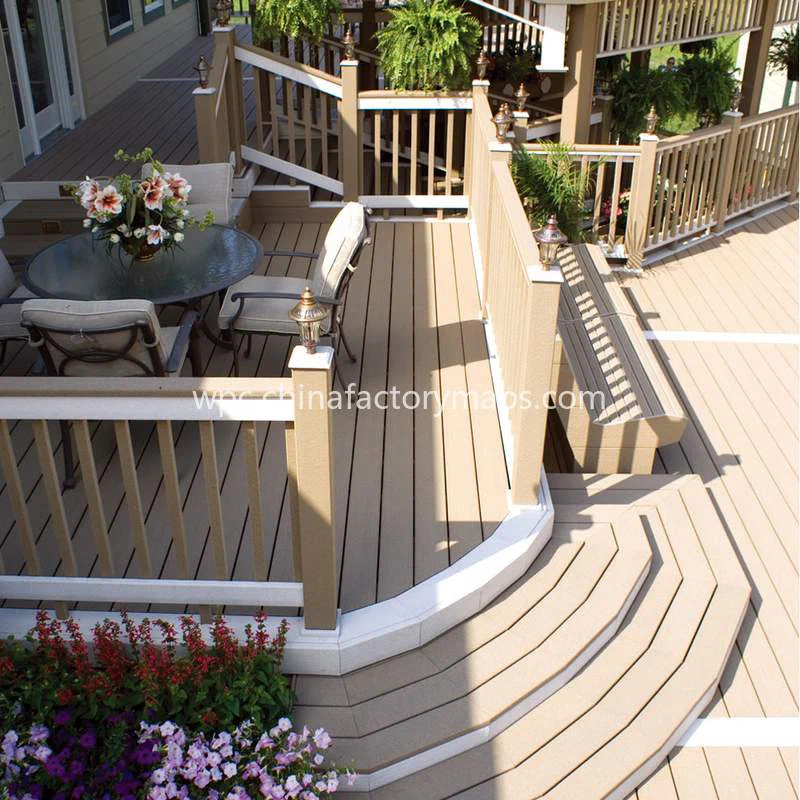
WPC wood planks offer a versatile alternative to traditional timber and PVC for outdoor applications, combining wood fibers with plastic polymers for durability. Buyers can choose from several material variations and surface options, each tailored to specific needs such as weather resistance, aesthetics, or cost efficiency. Understanding these distinctions is key to selecting the right product for a given project.
Material composition affects performance. Standard WPC planks mix recycled wood and polyethylene or polypropylene, offering good moisture resistance and insect deterrence. For enhanced durability, some manufacturers use PVC as the binding polymer, resulting in higher resistance to UV and temperature changes but at a higher cost. Co-extrusion technology, which applies an additional protective layer during manufacturing, further improves scratch resistance and color retention, although these boards require precise installation to avoid delamination over time. Buyers should also consider the plank’s density, as higher-density boards provide better structural integrity but may expand and contract more noticeably with temperature shifts.

Surface textures and finishes impact both function and appearance. Non-slip surfaces, often achieved through embossed or grooved patterns, are ideal for poolside decking or areas prone to moisture. Smooth or brushed finishes suit residential balconies or garden decking where aesthetics take precedence. Some manufacturers offer dual-sided planks with different textures on each side, providing flexibility during installation. Co-extruded surfaces also allow for more vibrant, fade-resistant colors, though they may show scratches more prominently compared to matte-finish WPC boards.

Installation and maintenance considerations add another layer of complexity. WPC planks require proper gapping to accommodate thermal expansion, a common characteristic of composite materials. Substructures must be ventilated to prevent moisture buildup, which could compromise performance over time. While WPC is generally low maintenance, dirt and debris should be periodically removed to prevent surface staining. Co-extruded planks may need specialized cleaning products to preserve their finish, a factor buyers should weigh if ease of care is a priority.
WPC wood planks are available in various formats, from hollow-core boards for cost-sensitive projects to solid planks for heavy-duty applications. Each choice involves trade-offs between strength, weight, and price. Hollow boards are lighter and more affordable but less durable under heavy loads. Solid planks, while more expensive, support higher traffic and resist impacts better. Buyers sourcing from regions like Guangdong or Zhejiang can explore a range of options tailored to different climates and project requirements.
FAQ
Q: What is the main advantage of co-extruded WPC planks? A: Co-extruded WPC planks offer better scratch resistance and color retention due to their protective outer layer.
Q: Can WPC wood planks be used near water? A: Yes, WPC is moisture-resistant and suitable for poolside or garden use, but proper gaps and substructure ventilation are essential.
Related Articles
Featured Suppliers
Verified premium suppliers on our map.