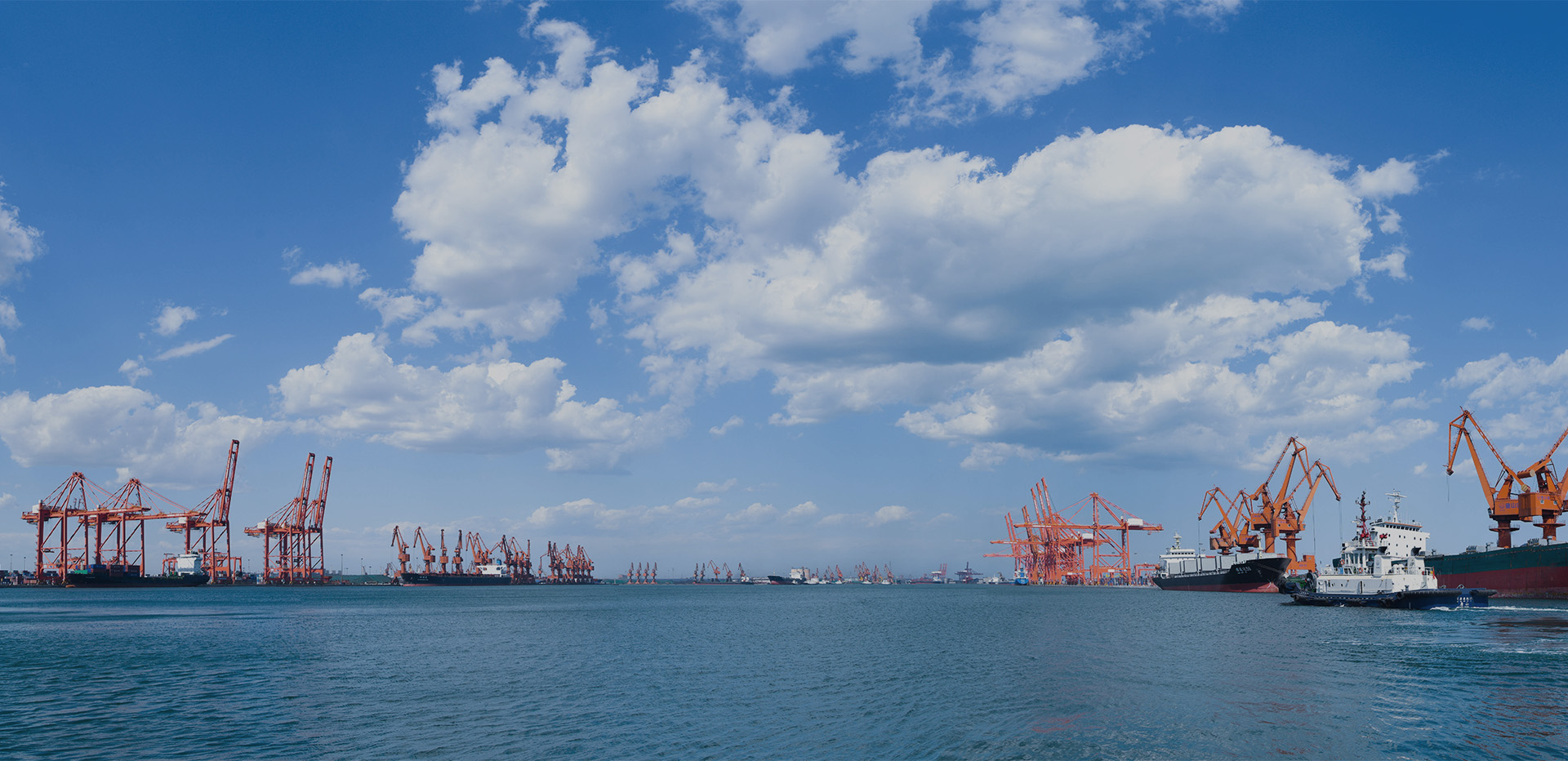
Pemasok WPC Dekat Pelabuhan Tangshan
Key figures (2024)
Overview
Tangshan is the dry-bulk transfer port for the Beijing-Tianjin-Hebei region and the main outlet for northern China's steel and energy trades, comprising the Jingtang and Caofeidian areas.
Export role and throughput
The Caofeidian area handled 557.3 million tonnes in 2024, up 4.15%. Across the whole port Tangshan ranks in China's top three for dry bulk, dominated by ore, coal, steel and crude oil rather than containers.
Infrastructure and berths
Caofeidian holds a 400,000-tonne ore terminal plus large coal and crude oil berths, while Jingtang is the general cargo and container area. Rail, road and pipeline connections make this one of the largest iron ore discharge ports in the north.
Location and inland connectivity
On the northern shore of Bohai Bay, the Qianbao-Caofeidian and Zhangjiakou-Tangshan railways link the coal fields of Shanxi and Inner Mongolia, placing the port on the "northern coal south" and "ore west" corridors serving Beijing-Tianjin-Hebei and the northwest.
Surrounding industry clusters
Serves Tangshan steel (Shougang, HBIS and others), energy, building materials and equipment manufacturing, with a free-trade area and comprehensive bonded zone at Caofeidian and a role in absorbing industry relocating from Beijing.
Heavily bulk-focused with limited container services. Northern WPC producers are generally better served by Tianjin.
Figures are for 2024 unless noted, compiled from China's Ministry of Transport, provincial and municipal authorities, and port group disclosures. Values marked approx. are industry estimates.
Nearest paid suppliers
No paid listings near this port yet.