Depreciation of Used Electric Cars in High-Mileage Markets
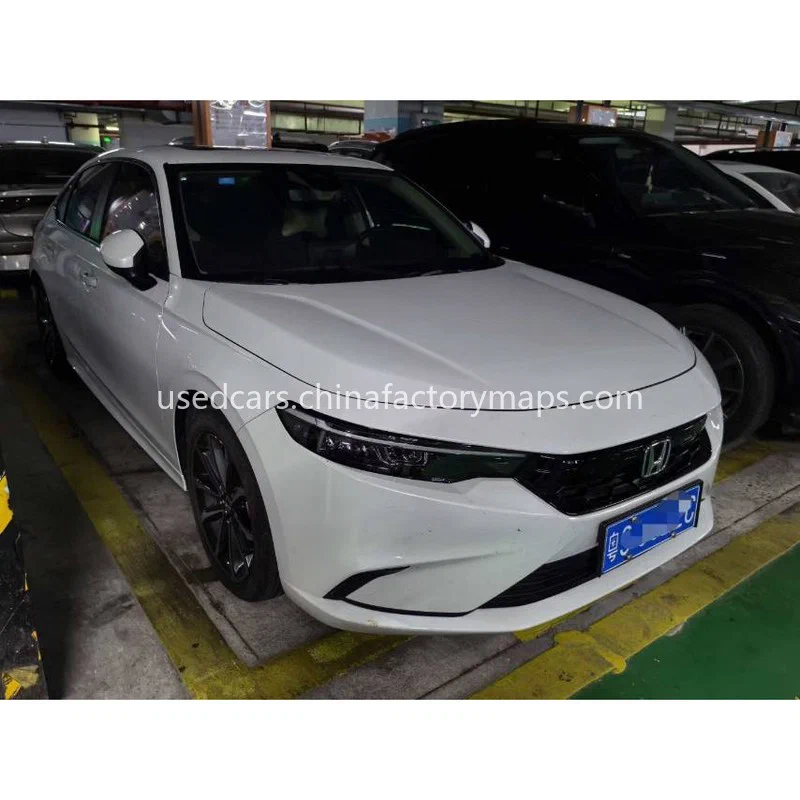
The depreciation of used electric vehicles (EVs) in high-mileage markets is an important consideration for both buyers and sellers. With EV adoption increasing globally, understanding the factors that influence depreciation is critical for fleet managers, dealers, and exporters. This article explores the key drivers of depreciation in used electric cars, particularly in regions where high mileage is common.
Key Factors Impacting Depreciation in High-Mileage Markets

Electric vehicles typically depreciate faster than internal combustion engine (ICE) vehicles in their initial years. This is largely due to concerns about battery health and the rapid pace of technological advancements in EVs. In high-mileage markets, battery degradation becomes a significant factor. Buyers often prioritize vehicles with a verified battery state of health (SOH) to ensure they are purchasing a reliable EV. Without proper documentation, such as a vehicle inspection report or SOH verification, resale values can drop sharply.
Another factor is the availability of charging infrastructure. High-mileage markets often rely on consistent vehicle usage, and inadequate charging networks can make used EVs less appealing. Additionally, compatibility with local charging standards can influence buyer decisions. Exporters should confirm that EVs meet the destination country’s charging requirements to avoid limiting the resale market.

Regional Preferences and Policies
Government incentives and regulations significantly shape the demand for used EVs in various regions. For example, markets with strict emission standards or EV subsidies may see higher demand for used EVs, stabilizing their depreciation rates. Conversely, regions with limited EV support or where ICE vehicles remain dominant may experience steeper depreciation.
Drive-side preferences also play a role. Most EVs manufactured for the Chinese market are left-hand drive, limiting their appeal in right-hand-drive markets unless modifications are made. Exporters targeting high-mileage destinations should evaluate local preferences and regulations to ensure compatibility.

Best Practices for Buyers and Exporters
To mitigate risks associated with depreciation, buyers should prioritize vehicles with detailed service histories, maintenance records, and verified battery health reports. Exporters should focus on markets with active EV policies and sufficient charging infrastructure. Leveraging pre-shipment inspection services, VIN checks, and mileage verification can enhance buyer confidence and improve resale values.
FAQ
Q: What is the most important factor in EV depreciation? A: Battery health is the primary concern, particularly in high-mileage markets. Buyers should verify the state of health and service history.
Q: How do government policies affect EV depreciation? A: Regions with strong EV incentives and charging infrastructure often see slower depreciation rates compared to markets without supportive policies.
Q: Can EVs be modified for right-hand-drive markets? A: Modifications are possible but can be costly. Exporters should consider the feasibility and demand in specific markets before proceeding.
Featured Exporters
Verified premium exporters on our map.
-
 Guangzhou JH auto co,ltd
Guangzhou, Guangdong
Nearest port: Guangzhou Port · 23 km
Guangzhou JH Auto Co., Ltd (JH Auto) buys used, left-hand-drive Chinese cars in China, inspects and documents …
Guangzhou JH auto co,ltd
Guangzhou, Guangdong
Nearest port: Guangzhou Port · 23 km
Guangzhou JH Auto Co., Ltd (JH Auto) buys used, left-hand-drive Chinese cars in China, inspects and documents …
-
 JH Auto Group
Guangzhou, Guangdong
Nearest port: Guangzhou Port · 24 km
At jh-usedcar.com, we’re more than just a seller; we’re your partner in finding exceptional value. We combine …
JH Auto Group
Guangzhou, Guangdong
Nearest port: Guangzhou Port · 24 km
At jh-usedcar.com, we’re more than just a seller; we’re your partner in finding exceptional value. We combine …