What to Compare When Tracking Used Car Price Trends
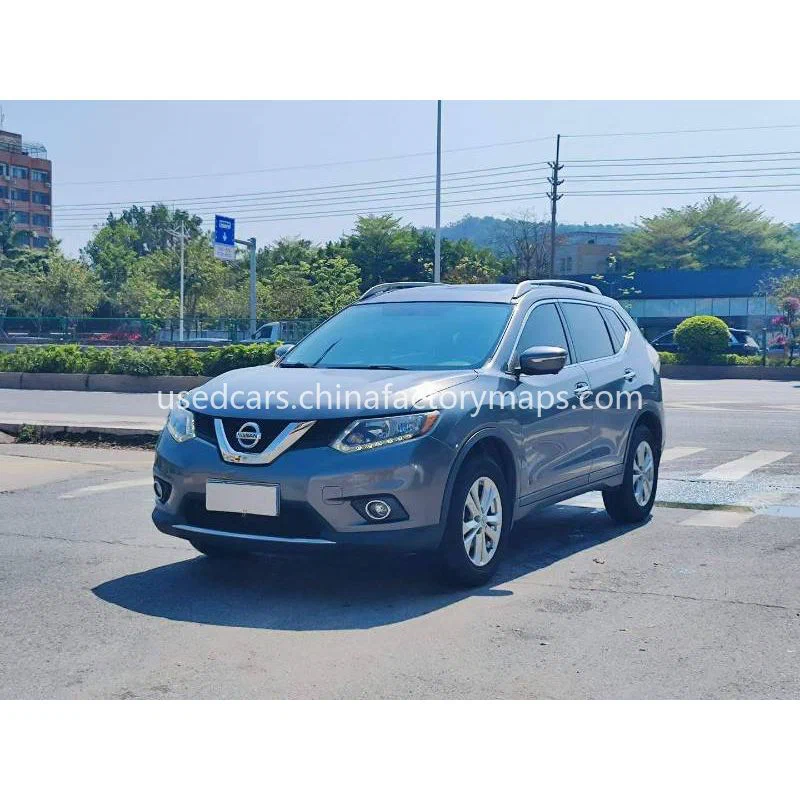
When tracking the used cars prices trend for sourcing vehicles from China, buyers need to consider multiple variables that affect pricing and long-term value. These factors include the vehicle’s condition, mileage, service history, and the reliability of the exporter. Understanding these elements can help buyers avoid pitfalls and make informed decisions.
Key Factors to Verify on Each Vehicle
The condition of a used vehicle is a primary determinant of its price. Many exporters use grading systems to categorize condition, typically ranging from “like new” to vehicles with visible wear. Buyers should request a detailed inspection report, ideally including photos and notes on cosmetic or functional flaws. Mileage is another major factor; lower mileage often commands a higher price, but it is essential to verify that the odometer reading has not been tampered with. A vehicle’s service history provides insight into maintenance and past issues, so requesting a full service log is critical.

Verifying the Vehicle Identification Number (VIN) is also essential. The VIN allows buyers to check the vehicle’s manufacturing details and potentially uncover any accident or repair history. Additionally, pre-shipment inspections are mandatory for Chinese exports, and the inspection certificate should match the vehicle’s details. Exporters operating from China’s designated pilot cities, such as Guangzhou or Wuhan, are more likely to follow these compliance steps.
Exporter Licensing and Documentation
The legal status of the exporter is a crucial point of comparison. Licensed exporters in China must meet specific regulatory standards, including holding an export license and completing customs declarations. Buyers should ask to see copies of these licenses and verify their validity. Unlicensed brokers may offer lower prices, but they often cannot guarantee the necessary export documentation, such as the bill of lading or certificate of origin.
A common issue in this sector involves delayed or incomplete paperwork, which can lead to complications at the destination port. Buyers should confirm in advance whether the exporter will handle all necessary documentation and whether they use licensed freight forwarders. For added assurance, check whether the exporter provides marine insurance coverage for the shipment.
Regional Variations and Port Proximity
Exporter location can significantly affect vehicle pricing due to logistics costs. For example, exporters based in Guangdong might have lower shipping costs if they use nearby ports such as Shenzhen or Guangzhou, while those in inland regions like Chongqing or Hubei may face additional transport costs to reach coastal ports. Buyers must weigh these factors when comparing offers.
The choice of port also plays a role in shipping costs and transit time. Ports such as Shanghai and Ningbo-Zhoushan tend to handle higher volumes of international shipments, which can result in more competitive freight rates. Conversely, smaller ports like Rizhao or Yingkou may have fewer shipping options but could offer shorter wait times for loading.
Common Pitfalls and How to Avoid Them
One common mistake buyers make is relying solely on price as the deciding factor. Lower prices may indicate undisclosed issues with the vehicle or incomplete compliance with export requirements. Another risk involves purchasing vehicles unsuitable for the destination market due to age, emission standards, or drive-side incompatibility. Buyers must confirm the current import regulations of their target country and ensure the vehicle meets those standards.
Another issue is the condition of electric vehicles (EVs) and hybrids. For these vehicles, it is critical to verify the state of health (SOH) of the battery. Batteries degrade over time, and their remaining capacity can significantly impact the vehicle’s value and usability. Many exporters now provide battery health certifications, which buyers should request and review.
Negotiating Terms and After-Sales Support
When dealing with exporters, buyers should also focus on the terms of sale, including payment schedules, warranties, and after-sales support. Agreeing on payment terms that include a portion held back until the vehicle arrives in acceptable condition can provide added security. For buyers sourcing multiple vehicles, bulk purchase discounts are often negotiable.
After-sales support is another area where exporters differ. Some may provide assistance with spare parts or offer warranties on specific vehicle components, while others may not. Buyers should clarify these details before finalizing the transaction.
Questions to Ask Exporters
To separate reliable exporters from brokers, ask direct questions about their experience, licensing, and processes. For example, inquire how long they have been exporting from a specific pilot city and how they ensure compliance with both Chinese export regulations and the destination country’s import rules. Ask about their process for pre-shipment inspections and whether they work with certified third-party inspectors.
Additionally, request references from previous clients who have sourced similar vehicles. Speaking with other buyers can provide valuable insights into the exporter’s reliability and the quality of their inventory. Be cautious of exporters who are unwilling to provide references or detailed answers to your questions.
Addressing Used Vehicle Market Trends

The used cars prices trend in China can be influenced by various external factors, including demand in key regions like Africa or Southeast Asia, currency fluctuations, and changes in domestic policies. Buyers should monitor these trends to time their purchases effectively and understand the potential for price fluctuations. Engaging with exporters who have a clear understanding of market dynamics can provide an edge in negotiations.
FAQ
Q: How can I ensure the mileage on a used car is accurate? A: Request a vehicle inspection report and cross-check the odometer reading with the service history and any available VIN-based records.
Q: What is the importance of a pre-shipment inspection for Chinese used cars? A: Pre-shipment inspections ensure the vehicle meets export standards and helps confirm its condition and compliance with destination country regulations.
Related Articles
Featured Exporters
Verified premium exporters on our map.
-
 JH Auto Group
Guangzhou, Guangdong
Nearest port: Guangzhou Port · 24 km
At jh-usedcar.com, we’re more than just a seller; we’re your partner in finding exceptional value. We combine …
JH Auto Group
Guangzhou, Guangdong
Nearest port: Guangzhou Port · 24 km
At jh-usedcar.com, we’re more than just a seller; we’re your partner in finding exceptional value. We combine …
-
 Guangzhou JH auto co,ltd
Guangzhou, Guangdong
Nearest port: Guangzhou Port · 23 km
Guangzhou JH Auto Co., Ltd (JH Auto) buys used, left-hand-drive Chinese cars in China, inspects and documents …
Guangzhou JH auto co,ltd
Guangzhou, Guangdong
Nearest port: Guangzhou Port · 23 km
Guangzhou JH Auto Co., Ltd (JH Auto) buys used, left-hand-drive Chinese cars in China, inspects and documents …