How Export Location Impacts Pricing for Used Cars from China
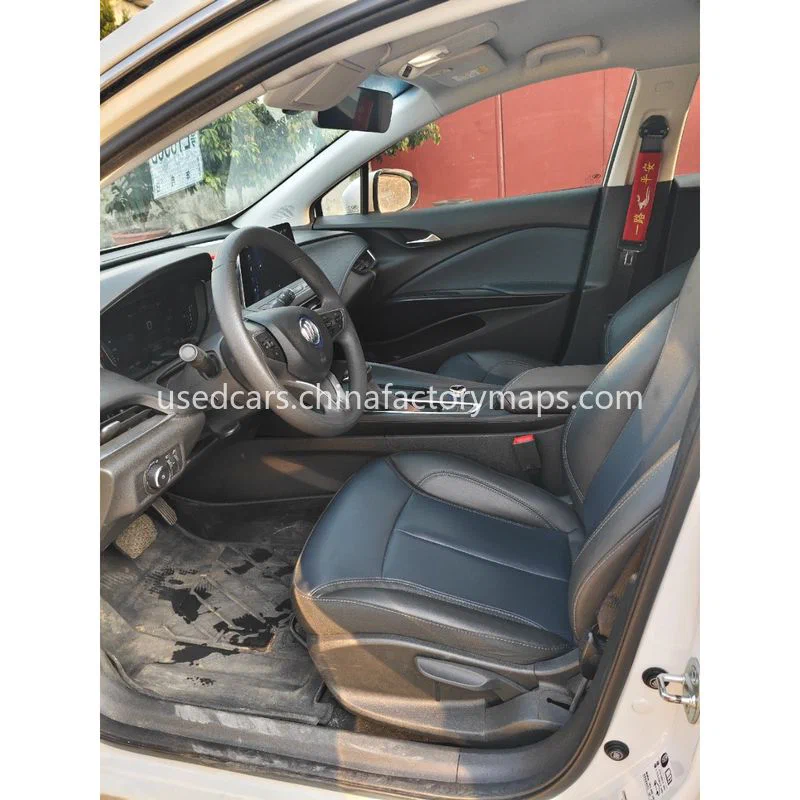
Choosing the right exporter plays a significant role in pricing used cars from China. Exporter location, proximity to ports, and inclusion in export pilot cities directly influence logistics, compliance, and costs. This article explores how geography and exporter qualifications impact pricing and what buyers should verify during the vetting process.
Exporter Location and Proximity to Ports
Exporters located close to major ports such as Shanghai, Guangzhou, or Tianjin often offer competitive pricing due to reduced inland transportation costs. Proximity to ports also minimizes transit times, which can be critical for buyers requiring timely delivery. Regions like Guangdong and Jiangsu, which host clusters of exporters, have streamlined access to port facilities, reducing logistical bottlenecks. By using a map-based directory, buyers can identify exporters near their preferred port of loading.
Inland exporters, such as those in Chongqing or Henan, may incur higher costs for vehicle shipment to coastal ports. However, these exporters might offer lower vehicle prices to offset the additional logistics expense. Buyers should weigh these trade-offs based on their total landed cost, including inland freight charges and export processing fees.
Export Pilot City Status
China’s used car export policy limits exports to designated pilot cities. Exporters in these cities, such as Guangzhou or Wuhan, are authorized to handle the necessary documentation and inspection protocols required for compliance. This regulatory framework ensures vehicles meet both export and destination market standards. Exporters outside pilot cities may not be eligible to ship vehicles, making their inclusion a key factor in exporter selection.
Export pilot city status also streamlines the customs declaration process, reducing delays and administrative overhead. Buyers sourcing from pilot city-based exporters can expect smoother transactions compared to exporters without these credentials. Always confirm an exporter’s licensing and compliance status before entering negotiations.

Clusters and Regional Signals
Exporter clusters, like those in Hubei or Guangdong, signal an established ecosystem of trade expertise and service providers. These regions benefit from shared infrastructure, experienced freight forwarders, and competitive shipping arrangements. Clustering can also lead to pricing consistency within the region, making it easier for buyers to compare quotes.
However, clusters in different regions may specialize in certain vehicle types. For instance, Guangdong exporters might focus on sedans and SUVs, while Chongqing exporters may have access to commercial vehicles. Reviewing the regional focus can help buyers align supplier capabilities with their specific needs.
Vetting Exporters: Key Checks
Regardless of location, buyers should verify several critical aspects during the vetting process. Confirm the exporter’s license to ensure compliance with China’s regulations. Evaluate their pre-shipment inspection process, including checks for vehicle condition, mileage verification, and compliance with emission standards.
Additionally, request documentation samples such as the bill of lading, certificate of origin, and vehicle inspection report. Clarify payment terms to avoid unexpected fees or delays. Exporters with transparent processes and established documentation workflows are more likely to offer reliable service.

Using the Map Directory for Sourcing
The map-based directory simplifies exporter selection by plotting companies geographically and highlighting their proximity to ports. Buyers can filter exporters by distance to a specific port, reducing the time spent evaluating logistical feasibility. The directory also identifies cluster regions, helping buyers assess regional advantages.
Exporters listed in the directory include those in pilot cities, ensuring compliance with China’s export policies. This resource is particularly valuable for buyers unfamiliar with the geographic and regulatory landscape, as it consolidates critical information in one place.

Practical Considerations for Pricing
Buyers should calculate total landed cost rather than focusing solely on vehicle price when determining how to price used cars. Inland transportation, customs clearance, and shipping method—whether RoRo or containerized—affect overall expenses. Exporters near ports may offer RoRo shipping as a cost-effective option, while inland exporters might rely on containers, which can be pricier but offer added security.
Destination-specific factors, such as import duties, homologation requirements, and roadworthiness standards, also impact pricing. Buyers should confirm these rules with authorities in their target market to avoid unexpected costs after shipment.
FAQ
Q: How does exporter location affect the cost of used cars? A: Exporters near major ports often have lower logistics costs, while inland exporters may incur higher transportation fees to reach coastal shipping points.
Q: Why is export pilot city status important? A: Export pilot cities are authorized to handle compliance processes like export licensing and vehicle inspection, ensuring smoother transactions.
Q: What should buyers confirm when vetting a used car exporter? A: Verify the exporter’s license, pre-shipment inspection process, documentation practices, and payment terms to ensure reliability and compliance.
Related Articles
Featured Exporters
Verified premium exporters on our map.
-
 JH Auto Group
Guangzhou, Guangdong
Nearest port: Guangzhou Port · 24 km
At jh-usedcar.com, we’re more than just a seller; we’re your partner in finding exceptional value. We combine …
JH Auto Group
Guangzhou, Guangdong
Nearest port: Guangzhou Port · 24 km
At jh-usedcar.com, we’re more than just a seller; we’re your partner in finding exceptional value. We combine …
-
 Guangzhou JH auto co,ltd
Guangzhou, Guangdong
Nearest port: Guangzhou Port · 23 km
Guangzhou JH Auto Co., Ltd (JH Auto) buys used, left-hand-drive Chinese cars in China, inspects and documents …
Guangzhou JH auto co,ltd
Guangzhou, Guangdong
Nearest port: Guangzhou Port · 23 km
Guangzhou JH Auto Co., Ltd (JH Auto) buys used, left-hand-drive Chinese cars in China, inspects and documents …